Uni researchers plan 2,000‑phone low‑carbon data center from Pixel smartphones
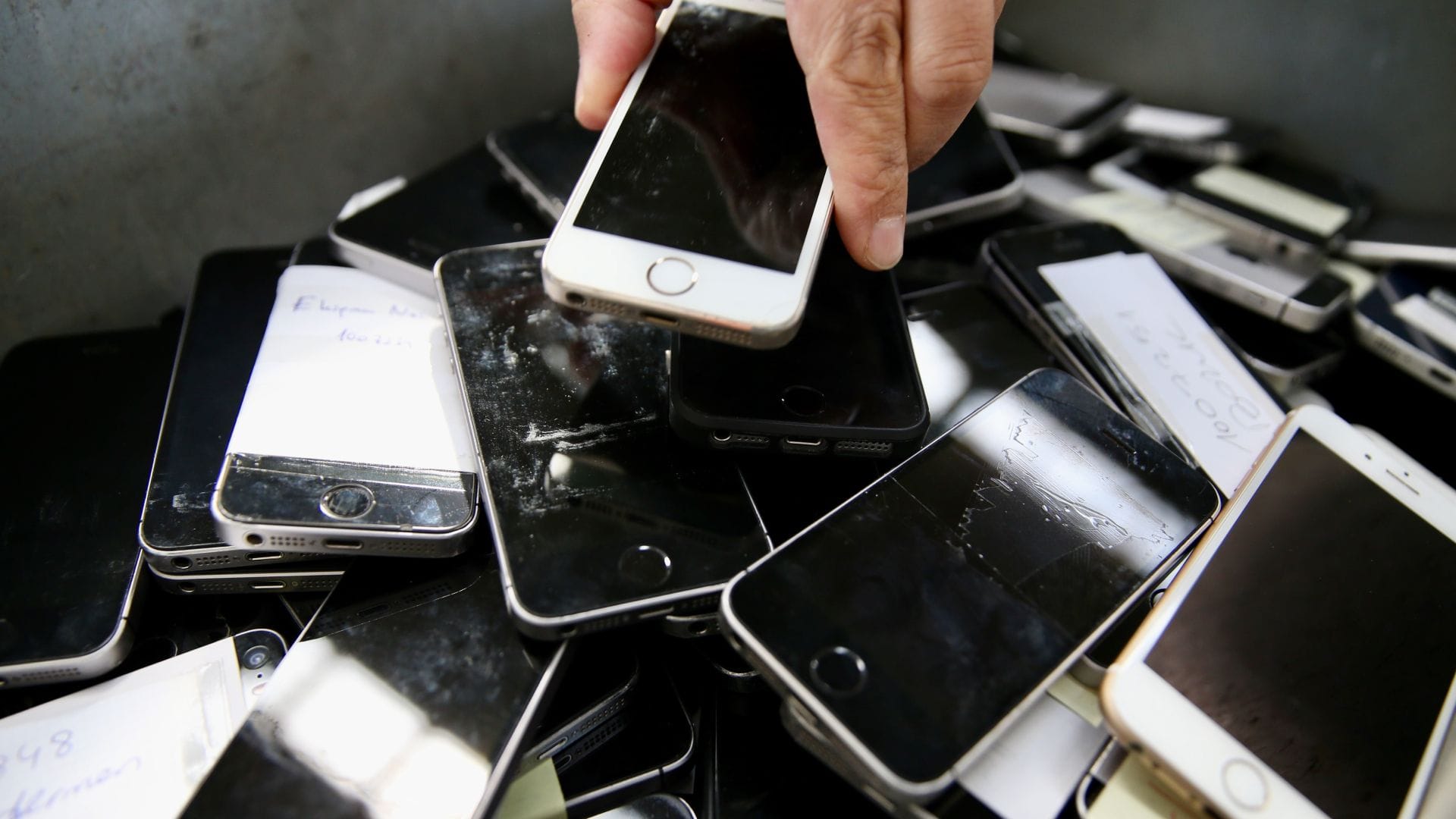
Researchers at the University of California, San Diego plan to build a cloud computing data center from 2,000 Google Pixel smartphones, aiming to reuse existing hardware and cut the carbon footprint associated with manufacturing replacements. The project strips each handset down to the motherboard and attached chips—removing batteries and displays—and chains them into a server cluster for relatively lightweight university workloads.
The team notes that single‑threaded performance of modern smartphone cores can match many multicore server chips, but phones typically have only a handful of cores and about 8–12 GB of memory compared with multithreaded server processors and much larger memory pools.
Each phone will run a Linux distribution and be orchestrated with Kubernetes to manage containerized applications. "Early experiments show that even a moderately-sized cluster of 20 phones is capable of supporting peak submission rates for a 75+ student class, with grading latencies below the default AWS backend," the researchers write.
United States, San Diego, California
ucsd, google pixel, smartphones, data center, carbon footprint, server cluster, motherboard, kubernetes, linux, aws