Making earwax melt and teeth rattle: the project returning music to our bodies
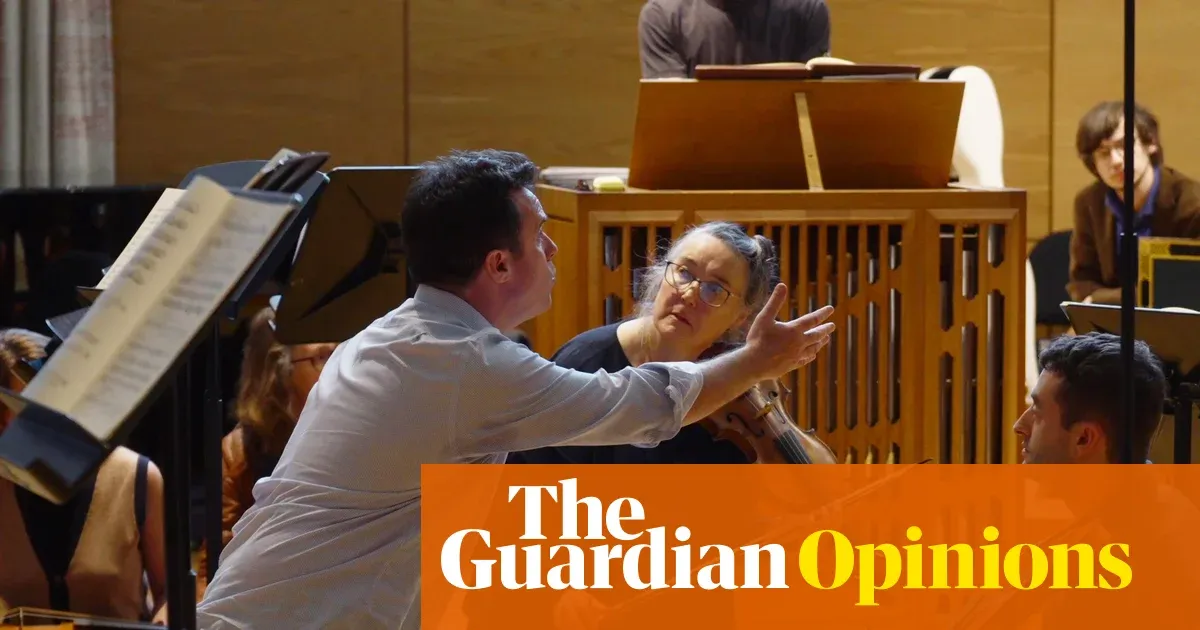
Professor Bettina Varwig wants classical audiences to move, feel and listen with their bodies. She says today listeners are often “asked to leave our breathing, pulsing, feeling bodies at the door”, told to sit still and silence the very reactions that music can provoke.
Her research into 17th- and 18th-century responses to music finds vivid, bodily testimonies: music “contracted their innards and made their hearts leap”, could “taste like vinegar in your throat”, “melt your earwax” or even “draw your soul out of your body.” Philosophers, theologians, poets and medics described music as moving, ravishing, painful, curative and miraculous — softening the heart, piercing the brain, making teeth grate, constricting the chest, entering through the pores and, in extremes, inducing melancholia or driving out plague.
Varwig tested those ideas in a two-day workshop at the Royal Academy of Music with violinist Margaret Faultless and tenor Nicholas Mulroy.
bettina varwig, classical music, bodily responses, earwax, teeth rattle, royal academy, margaret faultless, nicholas mulroy, 17th century, 18th century