What to do if a lithium-ion battery catches fire
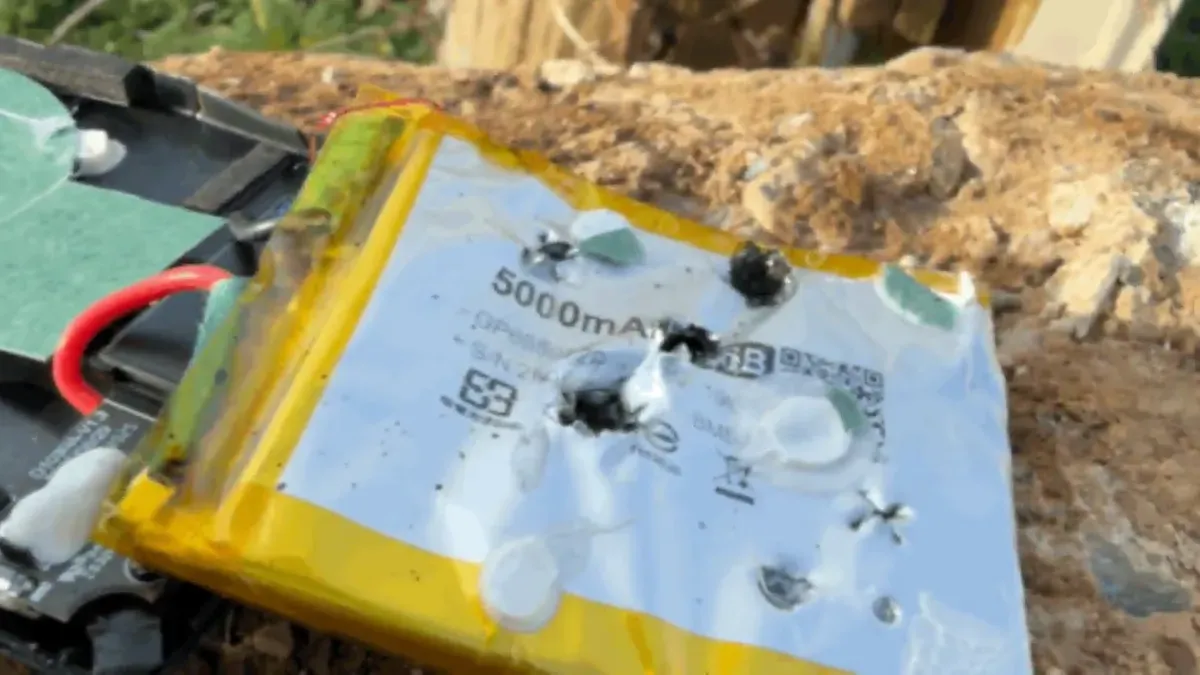
Rechargeable lithium-ion batteries power phones, laptops, e-bikes and countless other devices, but fires are rising as damaged cells and cheaper, poor-quality devices proliferate. In the UK fire services now face about one lithium-ion battery fire every five hours — 1,760 fires in 2025, up 147% over three years.
In the United States some 25,000 incidents of fire or overheating have been recorded in the past five years, and the FAA logs nearly two lithium-battery fires per week. The core failure is thermal runaway: a cell heats faster than it can cool, triggering a chain reaction that can smoulder, catch fire, or explode.
Causes include physical damage, overcharging, short circuits, exposure to high temperatures, manufacturing defects, and incompatible or damaged chargers. Batteries sometimes warn you first with unusual heat, swelling, acrid or sweet smells, hissing or popping sounds, or visible smoke or vapor.
United Kingdom; United States
lithium-ion, battery fire, thermal runaway, e-bikes, phones, laptops, overcharging, short circuits, battery swelling, manufacturing defects