How 'cinematic neurosis' explains a lifelong fear of horror films
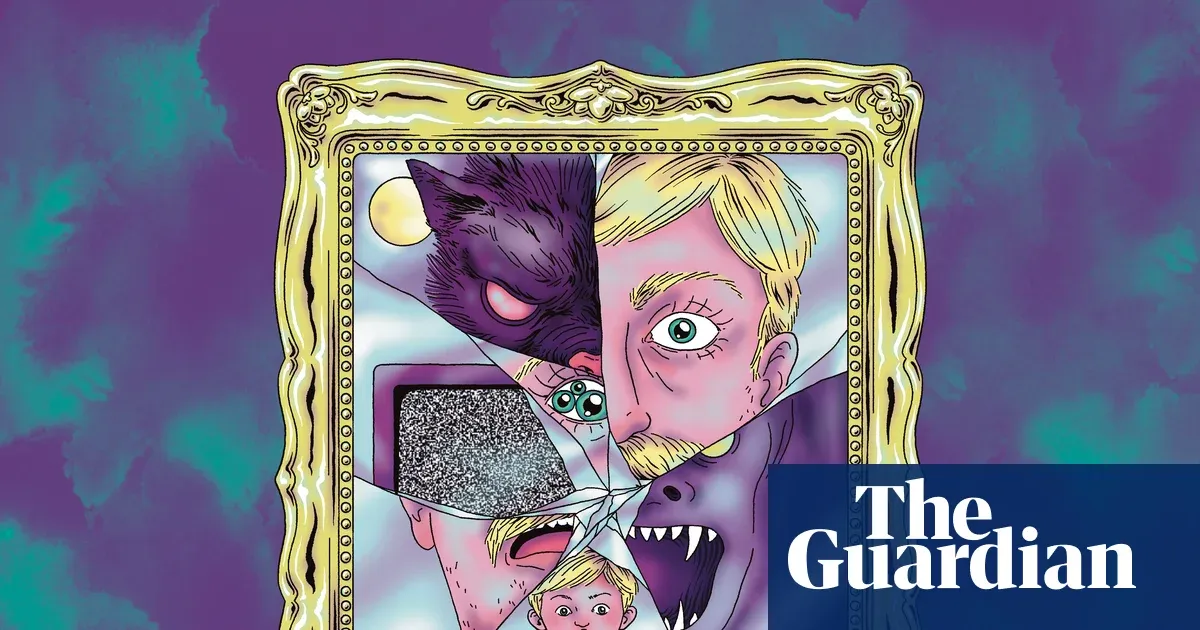
I was six when I watched a man turn into a werewolf in Abbott and Costello Meet Frankenstein. I screamed so inconsolably that my parents had to carry me upstairs, and that night marked the start of a fear that has lasted into adulthood: horror films, the supernatural, darkness and being alone in a house.
Now a psychiatrist, I still wonder why the genre is booming — it took roughly 70% more at the North American box office in 2023 than a decade earlier — while the experience remains traumatic for some of us. There is a clinical term that helps explain this: cinematic neurosis.
It describes a reaction to a film so intense and enduring that it meets the criteria for post-traumatic stress disorder — persistent arousal, anxiety and intrusive images. One extreme case involved a woman who watched The Exorcist as a teenager and, at 22, arrived at an ER convinced she was possessed and drowning in flashbacks.
cinematic neurosis, horror films, ptsd, the exorcist, werewolf, supernatural, darkness, being alone, intrusive images, box office