NASA’s CloudCube Pioneers Miniaturized Radar to Study Clouds, Precipitation
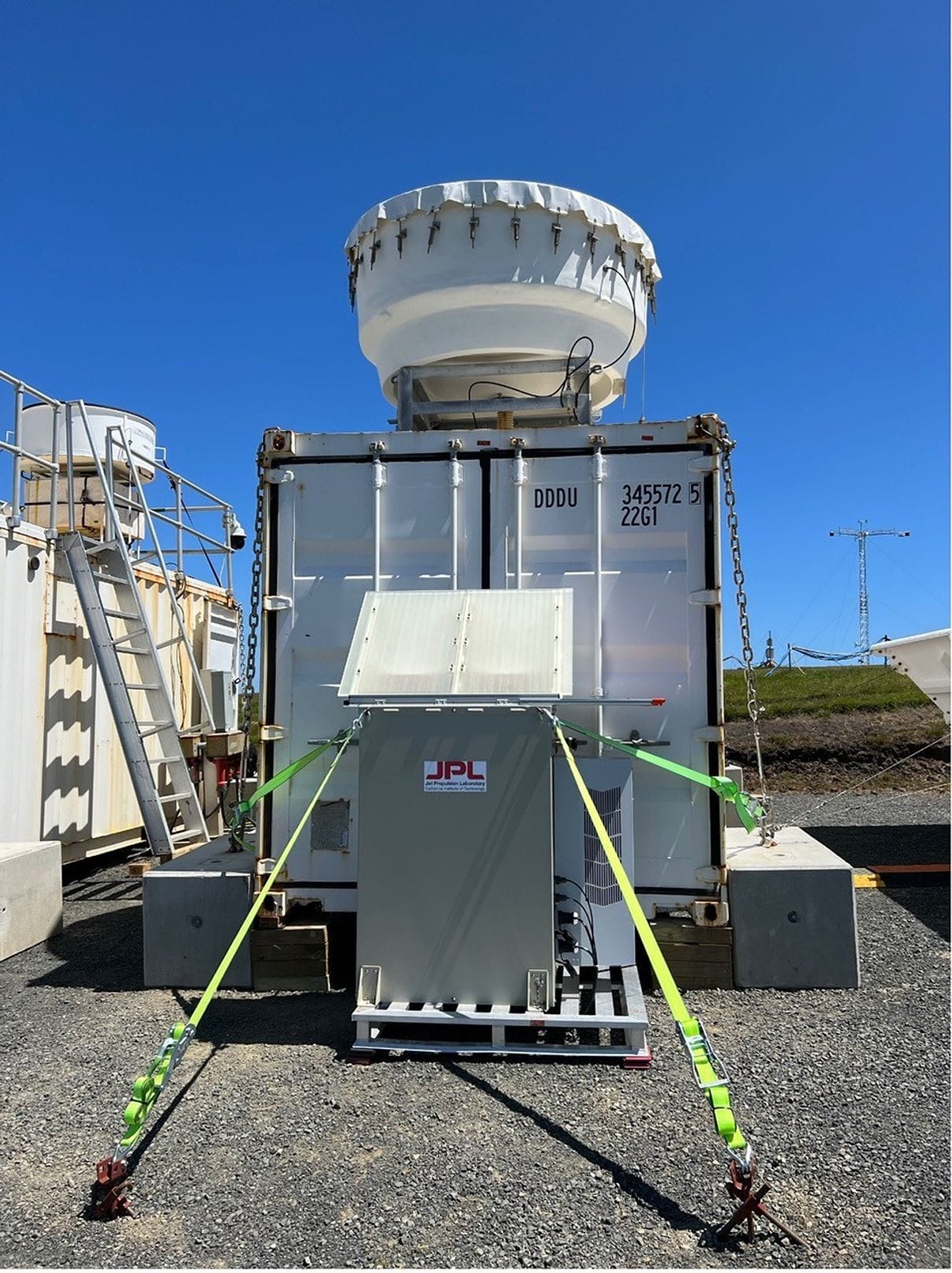
Built with funding from NASA’s Earth Science Technology Office Instrument Incubator Program, CloudCube transmits and receives Ka-, W-, and G-band signals. It is the first compact radar system capable of simultaneously probing meteorological targets at wavelengths spanning approximately one to ten millimeters.
Each of CloudCube’s three signals observes a different element of cloud physics. Ka-band radar signals are ideal for collecting precipitation profiles; W-band signals are preferred for measuring the cloud particles that give rise to precipitation; and G-band signals, never before collected from a space-based instrument, are suited to measuring ice and liquid water content inside very light clouds.
Probing the atmosphere with all three bands at once yields data useful for improving weather forecasts and climate modeling. CloudCube packs three radar modules into a single compact system and uses specialized components to transmit G-band power from a low-power instrument.
cloudcube, nasa, ka-band, w-band, g-band, radar, precipitation profiles, cloud particles, liquid water, climate modeling