NASA Uses Machine Learning to Enhance Flash Flood Warnings
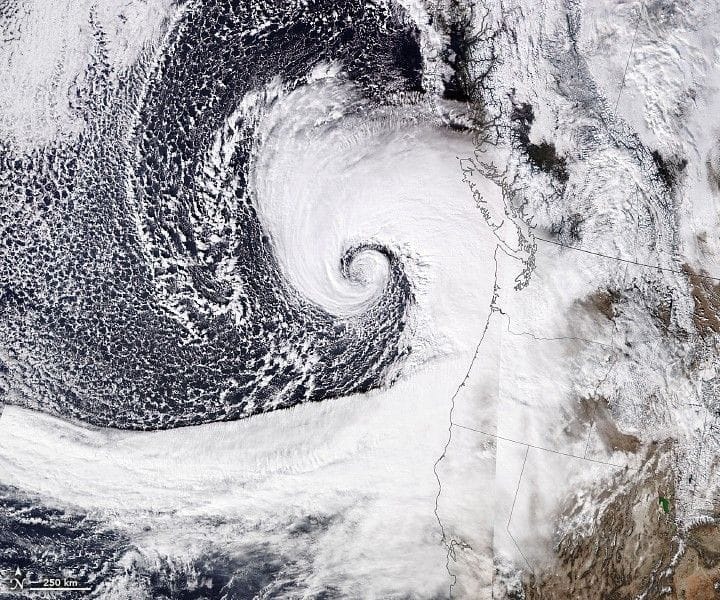
Created with support from NASA’s Earth Science Technology Office (ESTO), TACLS leverages machine learning to automatically locate evidence—unusual increases in atmospheric moisture—of impending flash flooding that meteorologists may otherwise miss as they analyze large amounts of data.
TACLS flags that evidence, indicates where flash flooding could likely occur, and displays that information via a user-friendly visualization for human analysts to interpret. Those analysts can then decide whether to issue a flash flood warning or weather advisory.
"That’s really what we wanted to do, to give meteorologists a tool to help decision making for flash flood warnings," said Yehuda Bock, Distinguished Researcher at the UCSD Scripps Institution of Oceanography and principal investigator for TACLS. The framework operates in near real-time, producing forecasts in as little as fifteen minutes.
nasa, machine learning, flash floods, tacls, esto, atmospheric moisture, flood warnings, ucsd scripps, yehuda bock, real-time forecasts