Health trackers are getting smaller - and harder to notice
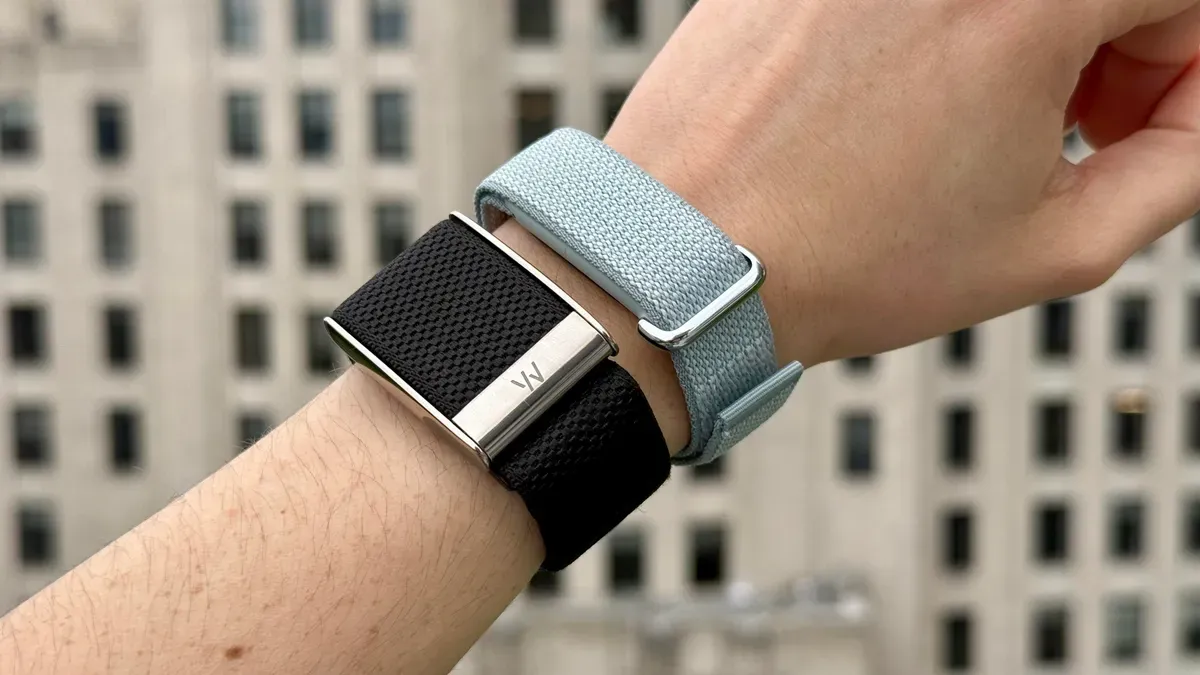
Health trackers are getting smaller. They are also harder to recognize. A decade ago you could spot an Apple Watch, Fitbit, or Nike Fuelband at a glance; today smartwatches remain common but a wider variety of designs make tracking less obvious. Continuous glucose monitors hide in shirt sleeves, and smart rings, earrings, bracelets and necklaces blend into everyday accessories while fitness bands disappear against neutral fabrics.
Manufacturers are aiming for invisibility. Advances in hardware and software have produced lighter, slimmer, more capable devices: Oura’s Ring 5 is 40% thinner than the Ring 4 and, even as it slimmed down, increased battery life — from five to eight days to six to nine days — while the company has sold 5.5 million rings and confidentially filed for an IPO.
Lumia’s smart earrings attach behind an earring stub to stay inconspicuous, and Dexcom has reduced the size of its latest CGM by 50%. Part of the reason is practical: most of these devices work in the background.
health trackers, smartwatches, apple watch, fitbit, nike fuelband, cgm, smart rings, oura ring, dexcom, battery life