Hazard Detection Lidar System Goes to the Moon
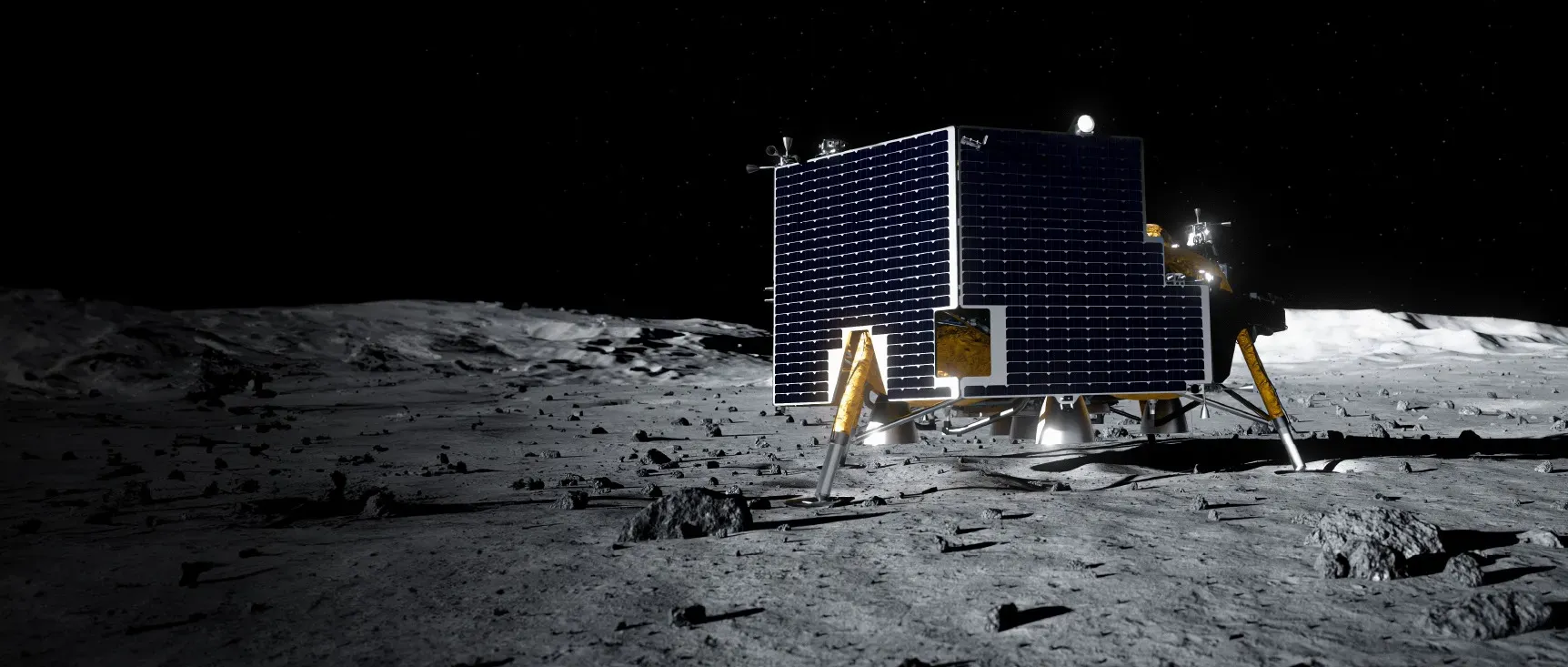
Lunar craters and their surroundings may hold important resources and science targets, but steep slopes and difficult lighting make many sites hazardous. Choosing a safe touchdown point is therefore a critical step for CLPS (Commercial Lunar Payload Services) missions.
Astrobotic Technology’s Hazard Detection (HD) Lidar system is designed to support that task by scanning and analyzing terrain in real time so landers can autonomously map and select the safest sites. The Flight Opportunities program supported test flights that helped mature the sensor.
An engineering model of the HD Lidar flew in November 2024 and confirmed the system could detect slopes, rough areas, and potential hazards. A second flight in March 2026 integrated the lidar with guidance, navigation, and control systems to further validate performance ahead of the first lunar mission scheduled for later this year.
hazard detection, hd lidar, astrobotic, clps, lunar lander, terrain mapping, autonomous landing, guidance systems, flight test, lunar mission