Gaussian splatting could bring low-cost photo‑real graphics to more creators
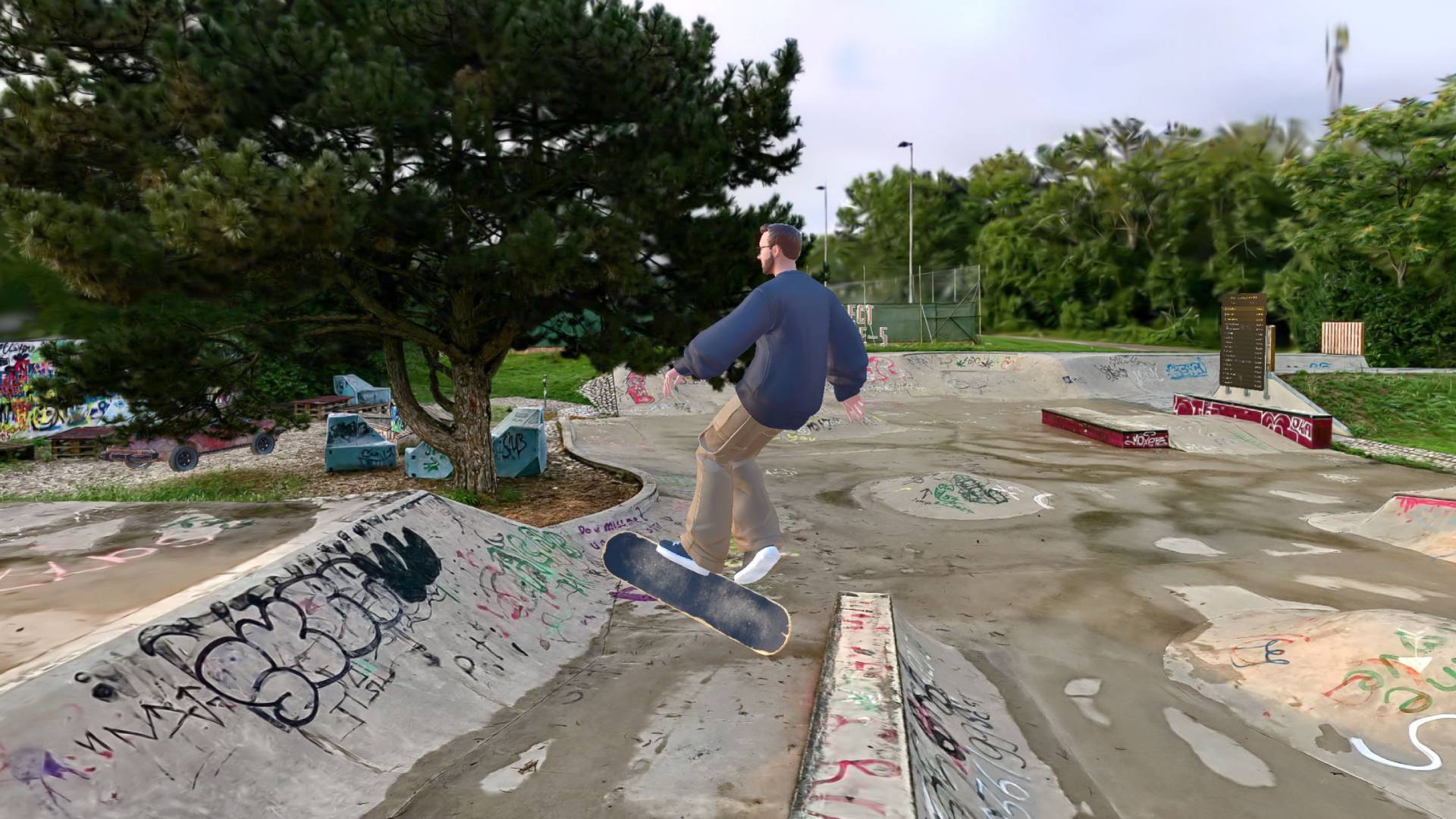
Gaussian splatting is a capture-and-rendering method that turns photos or video into a real-time 3D representation. Instead of polygons, scenes are built from millions of small semitransparent 3D Gaussians, often called “splats,” each with a position, size, orientation and opacity, plus view-dependent behaviour via spherical harmonics; when rendered they project to an elliptical footprint on screen.
The approach is far less resource-intensive than many photoreal techniques. The GPU mostly has only to project and blend these splats, so playback can be very fast, and the tech is already implemented in nearly every major engine, standalone or via plugin. That accessibility has made Gaussian splatting attractive to independent creators, who are driving many of the current experiments.
Capture typically starts with a DSLR or camera rig and can range from modest datasets to very large ones: Schindelar has seen raw captures approach 1.5 TB for high-end projects, while many practical sets sit in the double-digit gigabyte range.
gaussian splatting, splats, 3d gaussians, photo-real graphics, real-time 3d, spherical harmonics, gpu rendering, dslr capture, camera rig, plugin