Blade Runner's Biggest Omission: Mercerism from the Book
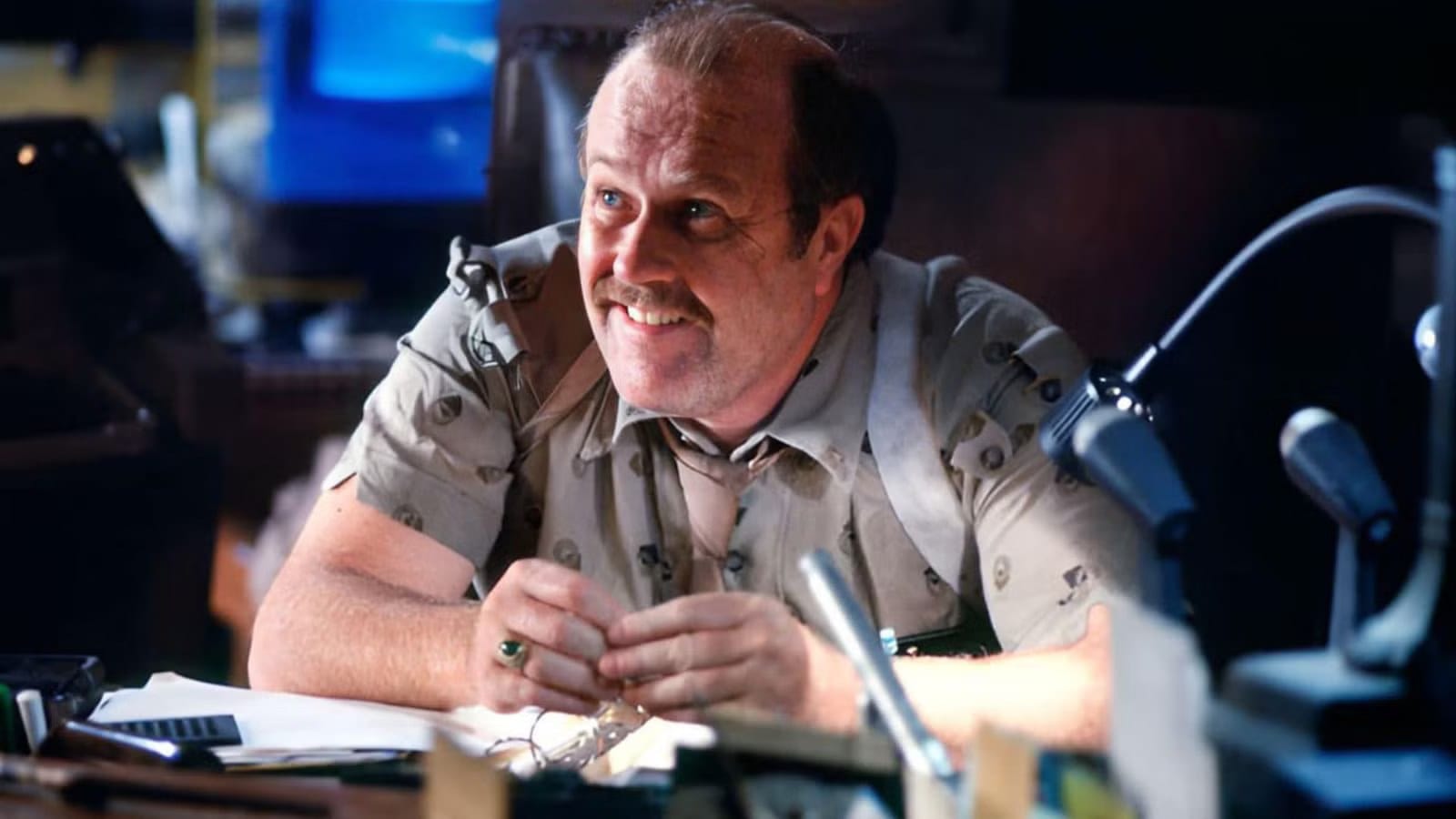
Even after its 1982 box-office flop, Ridley Scott's Blade Runner grew into a cult classic. Having read Philip K. Dick's Do Androids Dream of Electric Sheep? before watching the film, the writer found the two works strikingly different: the movie borrows the basic premise but trims and alters much of the novel's worldbuilding.
One of the novel's most distinctive elements, Mercerism, is entirely absent from Scott's adaptation. In the book Mercerism is a communal religion centered on Wilbur Mercer and experienced through an Empathy Box that links users into a shared consciousness; millions witness the same image of Mercer climbing a hill and feeling the pain he endures, with that suffering transferred to those connected as a way to foster empathy.
Philip K. Dick later reveals Mercerism to be a hoax, with Mercer portrayed by an actor rather than a historical martyr.
blade runner, ridley scott, philip dick, do androids, electric sheep, mercerism, empathy box, wilbur mercer, shared consciousness, mercer hoax