Why F1 driver-in-the-loop simulators cost millions
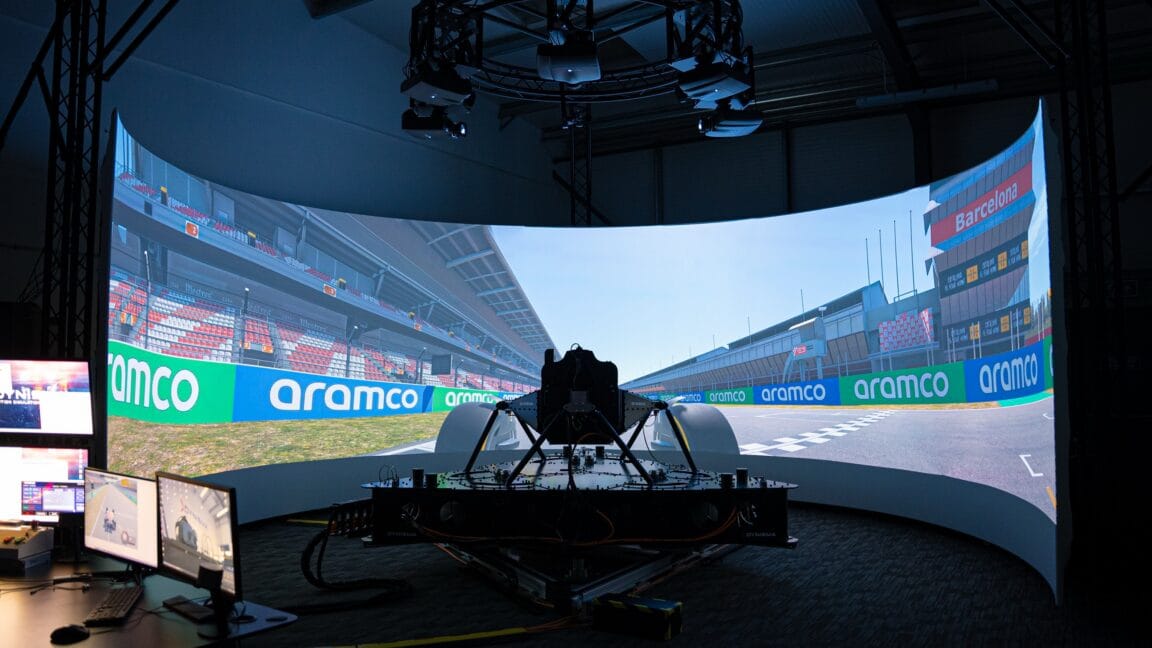
Formula 1 teams can spend between $3 million and $10 million on driver-in-the-loop simulators. These systems began appearing in the early 2000s—likely at McLaren, perhaps Toyota or Ferrari—and have become far more capable than high-end consumer multi-axis rigs.
Low latency and high bandwidth are the chief differences. Ash Warne of Dynisma says the closed loop between driver inputs and simulator motion must be extremely fast—about 3 to 5 milliseconds from a physics event to measurable movement—roughly an order of magnitude quicker than top flight simulators.
F1 sims also need to reproduce high-frequency vibrations from tires, engines, and road bumps that matter on track but not in most flight training. Warne built an early prototype using Arduino and Raspberry Pi after stints at McLaren and Ferrari, demonstrating that ultra-low latency was achievable.
formula 1, driver-in-the-loop, simulators, low latency, high bandwidth, dynisma, ash warne, mclaren, ferrari, raspberry pi