Tropical Solstice Shadows
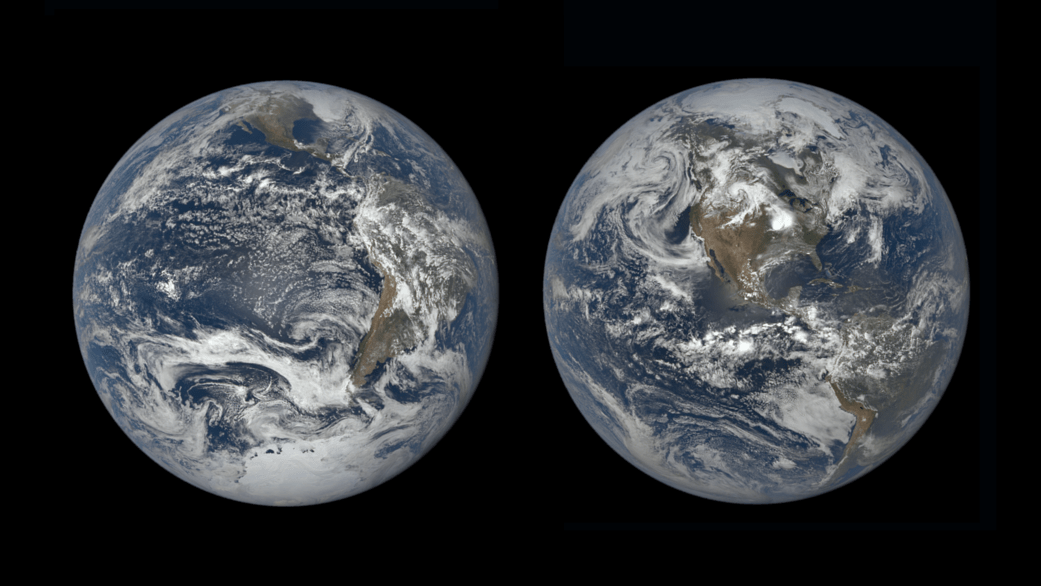
Solstices mark the changing of seasons and occur twice a year, bringing the year’s shortest and longest daylight hours depending on your hemisphere. These extremes make solstice days more noticeable than the subtle equality of day and night at equinoxes. In 2026, they arrive on June 21 at 1:24 AM PDT (08:24 UTC) and on December 21 at 7:03 AM EST (15:03 UTC).
The June solstice is the moment when the Sun reaches its northernmost position relative to Earth’s equator, and the December solstice marks its southernmost point. Outside the tropics, the summer solstice is the day the Sun reaches its highest solar noon and gives the longest daylight of the year; the winter solstice finds the Sun at its lowest solar noon, producing the shortest daylight and the longest night.
Earth’s axial tilt means the Northern Hemisphere receives more direct sunlight in June, producing 24-hour sunlight in northern polar regions and 24-hour night in southern polar regions, with the pattern reversing in December.
solstice, june solstice, december solstice, equinoxes, axial tilt, solar noon, daylight hours, northern hemisphere, southern hemisphere, polar regions