Spider-Noir Demands Two Viewings
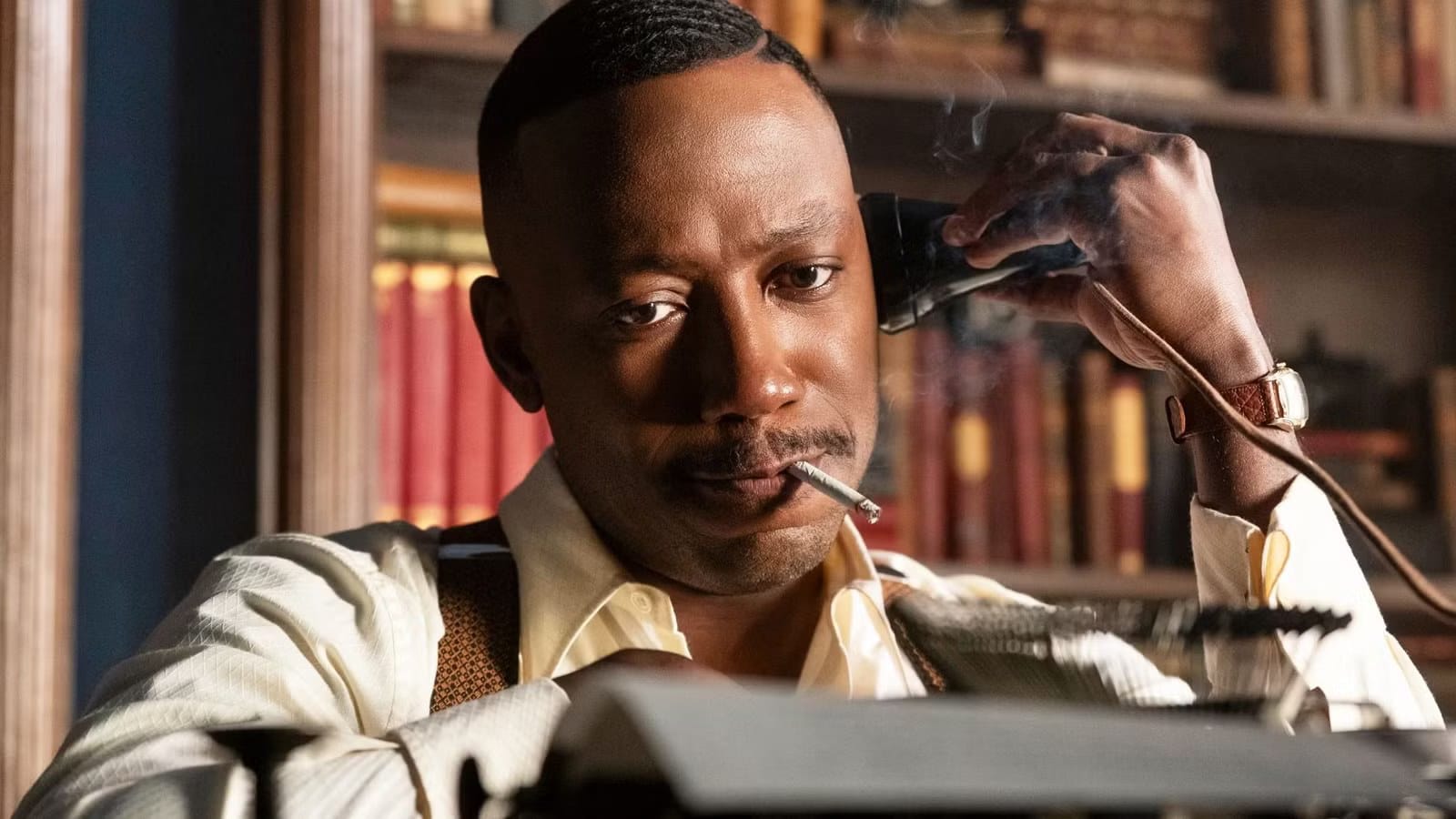
Following a recent run of TV series spun from superhero films, Spider-Noir arrives as a production meant to be seen twice: once in color and again in black-and-white. Though it shares DNA with Spider-Man: Into the Spider-Verse, it is not presented as a direct sequel, and each version offers a distinct viewing experience.
Nicolas Cage suggested producing a color cut to draw in a younger audience, with the hope it would lead them to the black-and-white presentation. The color “True Hue” version bursts with vibrant, comic-book-like saturation, highlighting costumes, set detail, neon lights and Megawatt’s electrical effects in ways the grayscale cannot.
Still, the series was built to be seen in black-and-white as an homage to 1930s noir. The stark contrasts, deep shadows and dramatic lighting sharpen focus on the story of corruption, loss and redemption, and Cage crafted his performance with the conventions of classic noir in mind, evoking the screen manner of Humphrey Bogart, James Cagney and Edward G.
spider-noir, spider-verse, nicolas cage, true hue, black-and-white, color version, noir homage, megawatt, humphrey bogart, film noir