
Slovenia’s food and cultural life rooted in local produce and small towns
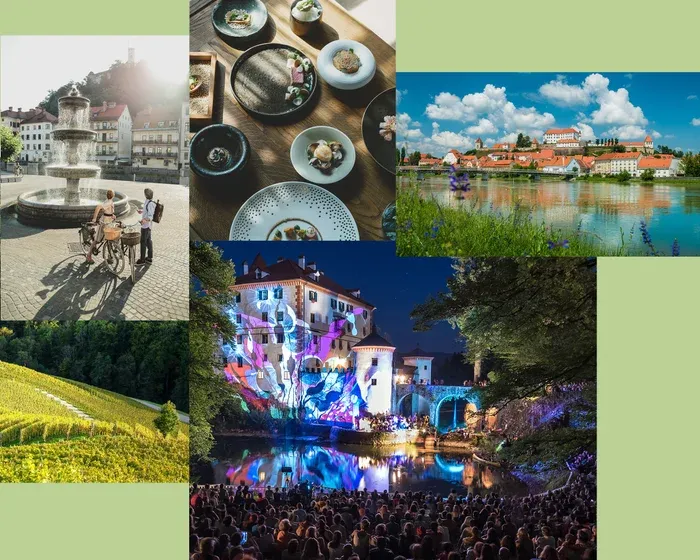
Slovenian food and culture are presented as deeply local, tied to produce from river, hill and forest and embodied in restaurants such as Grič in the village of Šentjošt, about 40 minutes’ drive from Ljubljana, and Gostilna Repovž in Šentjanž, about 75 minutes’ drive east of the capital.
The country’s ingredients range from trout from the Soča River to goat’s cheese from the Polhov Gradec hills, and chefs draw on those supplies. At Grič, chef Luka Košir combines experimental techniques influenced by Japan and Scandinavia with traditional local ingredients and a sense of place.
"Being here is an advantage for me," Košir says, adding that he is "self-sufficient" and works "with people I trust"; his restaurant has been recognised with both a Michelin star and a Michelin Green Star. The Repovž family at Gostilna Repovž embody a farm-to-table approach: the inn has a Michelin Green Star for sustainable gastronomy and many of the vegetables, herbs and fruit served come from their own land after they transitioned to organic farming about 20 years ago.
"With our tasting menu," chef Sabina Repovž says, "we try to introduce our guests to the [local] regions of Posavje and Dolenjska and, last but not least, to our farm." Beekeeping is also highlighted: Anton Janša, born in 1734 in what is now northern Slovenia, is noted as a pioneer of modern beekeeping, author of A Complete Guide to Beekeeping and the reason 20 May is World Bee Day.
Key Topics
Culture, Slovenia, Ljubljana, Soča River, Grič, Luka Košir