Science Habitable Worlds Observatory SIG Seminar, 1 April 2026 Agenda: Habitable Worlds Observatory SIG Seminar, 1 April 2026. Join the Seminar. Connection. The post appeared first. habitable worlds, observatory, sig, seminar, agenda, 1 april, april 2026, join, connection, post
Science HWO SIG Seminar, 1 April 2026 Habitable Worlds Observatory SIG Seminar. HWO SIG Seminar. 1 April 2026. habitable worlds, worlds observatory, observatory, hwo, sig, seminar, hwo sig, hwo seminar, 1 april, april 2026
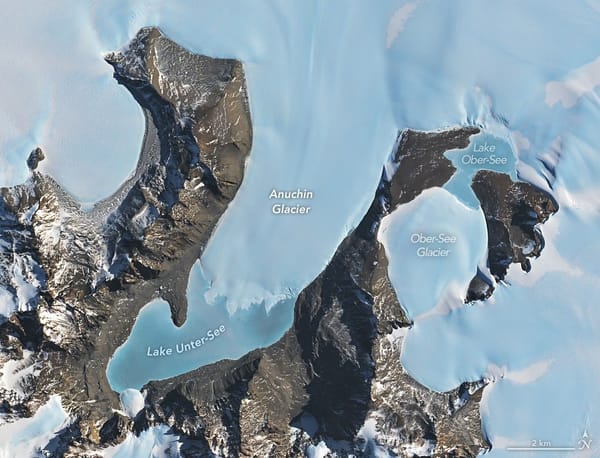
Science Lake Unter-See: oxygen-rich Antarctic lake with cone-shaped stromatolites Lake Unter-See in Antarctica is sealed beneath several meters of ice and is notable for its unusual chemistry: exceptionally high dissolved oxygen, low dissolved carbon dioxide, and a strongly alkaline pH. Most of the lake’s water comes from seasonal melt draining from the margins of the nearby Anuchin Glacier,
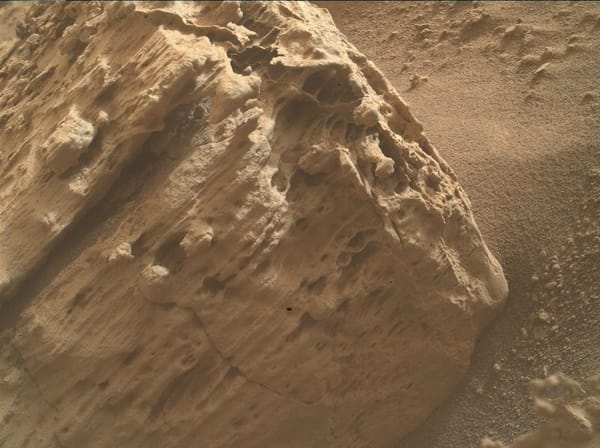
Science Curiosity Explores Boxwork Borderlands Curiosity is in the final stage of exploring the spiderweb-like boxwork unit, focusing on its eastern and southern borders. The team assembled two multi-sol plans this week. In the previous plan, the rover parked at a site on the eastern extent where bedrock allowed brushing and in-place measurements with APXS
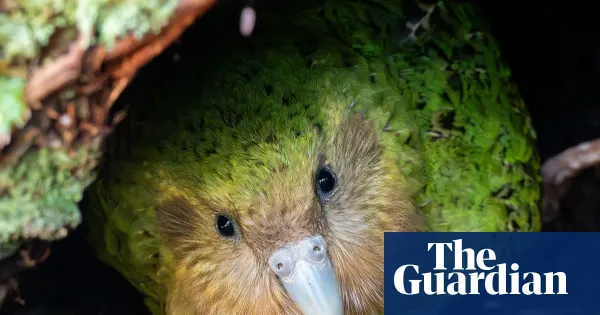
Science ‘My lovely distraction’: live stream of kākāpō Rakiura and her chicks draws global viewers On an island in New Zealand’s remote southern fjords, a hidden black-and-white camera has been broadcasting one of the world’s strangest parrots, the kākāpō, as she cares for a tiny chick. Through the lens a fluffy orb with a kazoo-like squeak jostles for food from its mother’s
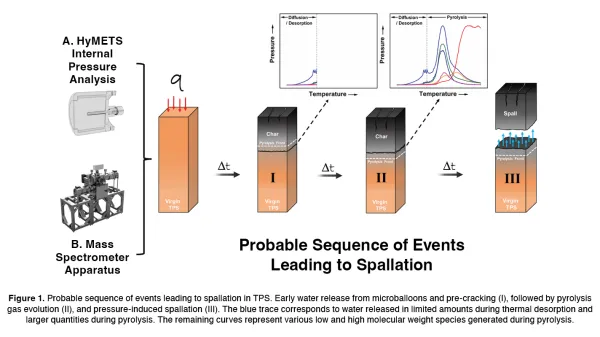
Science Insights into Spallation Mechanisms of Thermal Protection System Materials An effort investigated how internal pressure builds within thermal protection system (TPS) materials subjected to high-enthalpy environments, aiming to link gas evolution and microstructural interaction to degradation and failure modes like spallation. Complementary experimental approaches provided both chemical and mechanical insight into subsurface processes. In-depth pressure measurements from the Hypersonic
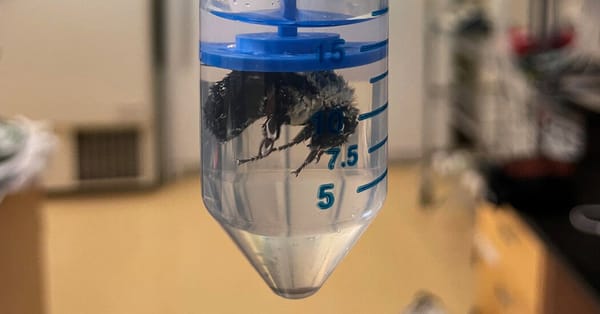
Science Bumblebee Queens Can Breathe Underwater Bumblebee queens can survive fully submerged for up to a week and appear able to breathe while underwater. This ability helps them endure diapause, a six- to nine-month hibernation-like phase spent in shallow burrows that can become waterlogged by rain or snowmelt. The discovery began with a lab mishap at
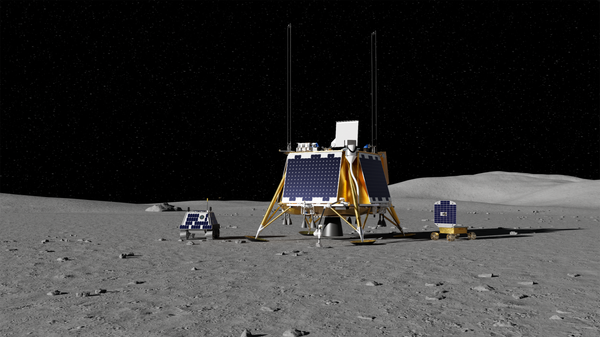
Science CS-6 science payloads to study the lunar south pole The lunar south pole’s cold, permanently shadowed regions may contain ice alongside some of the Moon’s oldest surface materials. Blue Ghost 4 will deliver the CS-6 science payloads to that area to demonstrate new technologies, search for life-sustaining resources, and study the solar system’s history. Lander descents
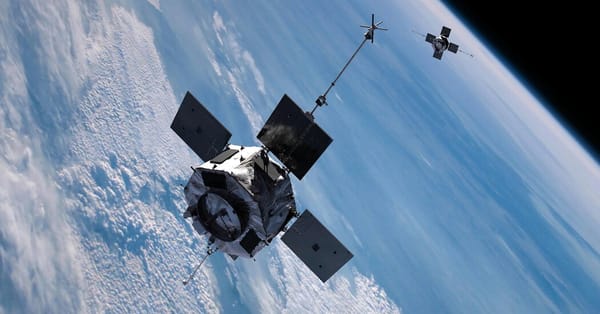
Science Van Allen Probe A to re-enter and mostly burn up A 1,323-pound satellite that has orbited Earth for nearly 14 years is expected to re-enter the atmosphere on Tuesday. NASA said most of the Van Allen Probe A will incinerate as it descends, though some components are likely to survive; the agency put the risk of harm to anyone
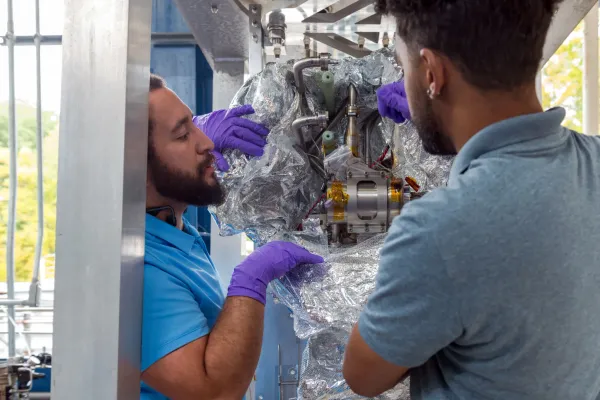
Science Ice to Fuel: NASA Tests Technology for Refueling Landers The farther the destination, the more fuel a rocket needs, and carrying more fuel makes the spacecraft heavier. Engineers at NASA’s Glenn Research Center are testing CryoFILL (Cryogenic Fluid In-Situ Liquefaction for Landers) to change that dynamic by producing and liquefying oxygen on the Moon or Mars, reducing the
Science Webinar March 25: CSDA Vendor Focus — Satellogic Join us March 25 at 2:00 p.m. EDT to learn about the data offered by Commercial Satellite Data Acquisition (CSDA) program vendor Satellogic and how to discover, access, and work with their high-resolution commercial datasets. NASA's Earth Science Division established the CSDA program to explore the
Science Human neurons on a chip have learned to play Doom Doom has become a go-to test for new tech, and Cortical Labs returned to the challenge after growing living brain cells on a microchip to play Pong. This time the startup trained human neurons to control Doom on its CL1 device. The CL1 is described as "the world’s
Science Shades of a Lunar Eclipse On March 3, 2026, Earth moved between the Moon and the Sun and cast its shadow across the full Moon. The total lunar eclipse was visible across the Americas, East Asia, Australia, and the Pacific, and many observers saw a dimmed lunar surface take on an orange-red “Blood Moon” hue.
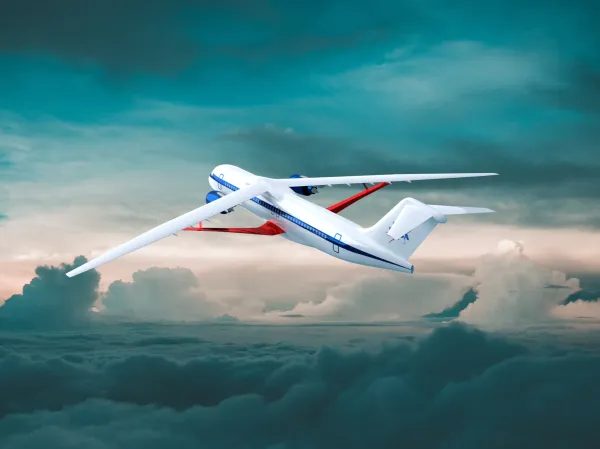
Science About the Subsonic Flight Demonstrator (SFD) Project The Subsonic Flight Demonstrator (SFD) project engages with industry and other government organizations to identify, select, and mature key airframe technologies, such as new wing designs, that have a high probability of transition to the next generation single-aisle seat class airliner. Moving technologies from a research environment to a production
Science Carmen Roberts — NASA Ames Research Center Carmen Roberts is affiliated with NASA Ames Research Center. Her division is the Human Systems Integration Division (TH). Phone: 650-604-3236. Email: carmen.t.roberts@nasa.gov. carmen roberts, nasa ames, nasa, ames research, human systems, systems integration, th division, carmen.t.roberts@nasa.gov, phone, email
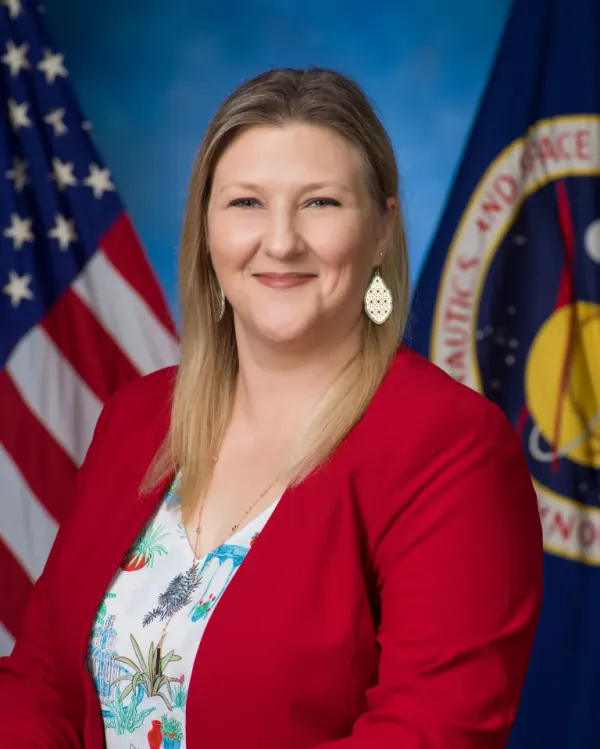
Science Kimberlee Prokhorov, Chief of HSE&I Division Kimberlee Prokhorov currently serves as the Chief of the Human Systems Engineering & Integration (HSE&I) Division within the Human Health and Performance (HH&P) Directorate at the NASA Johnson Space Center (JSC). The HSE&I Division focuses on System Engineering, System Management, Human Systems Integration and
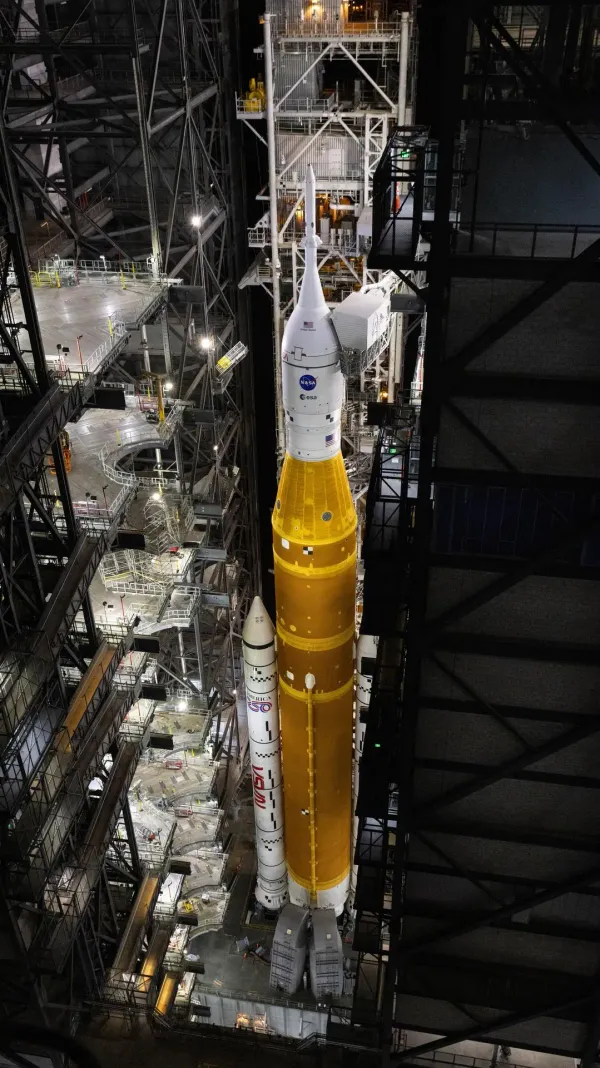
Science La NASA ofrecerá rueda de prensa sobre Artemis II La NASA ofrecerá una rueda de prensa a las 3 p.m. EDT del jueves 12 de marzo en el Centro Espacial Kennedy para dar a conocer el progreso de la misión tripulada Artemis II alrededor de la Luna, tras la conclusión de la evaluación de aptitud para el vuelo
Science NASA Astrophysics Division update webinar 10 March 2026 Shawn Domagal-Goldman, Director of the NASA Astrophysics Division, will speak in a webinar on 10 March 2026, 12 noon–1 p.m. Eastern (9–10 a.m. Pacific). The Astrophysics Division studies how the universe began and evolved, how it works, and where life might exist beyond the solar system.
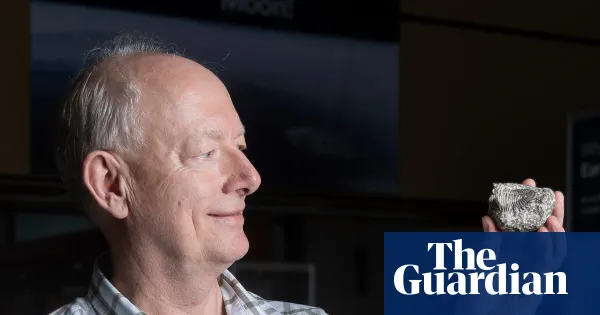
Science A new start after 60: becoming a palaeontologist at 62 Craig Munns bought a large model T. rex with a magazine subscription two decades ago. Sitting in a study dense with books, sticky notes and evolution posters, he decided to enrol as a part-time student after taking a job at the public library in Canberra. He graduated at 62, with
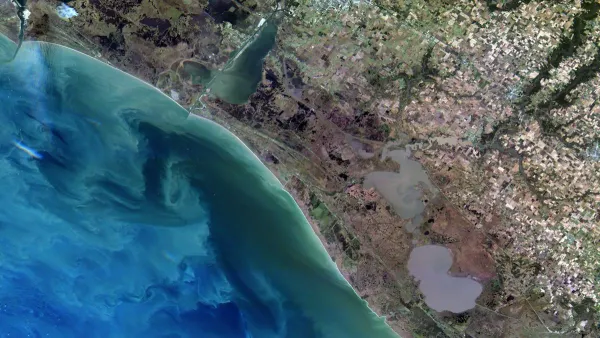
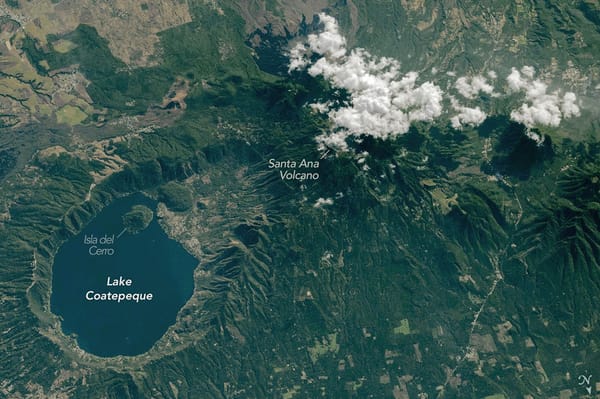
Science Lake Coatepeque Just inland from El Salvador’s Pacific coast, the blue waters of Lake Coatepeque fill part of a caldera of the same name. An astronaut aboard the International Space Station photographed the lake and its surroundings on February 10, 2026, as the station passed over Central America. The caldera formed
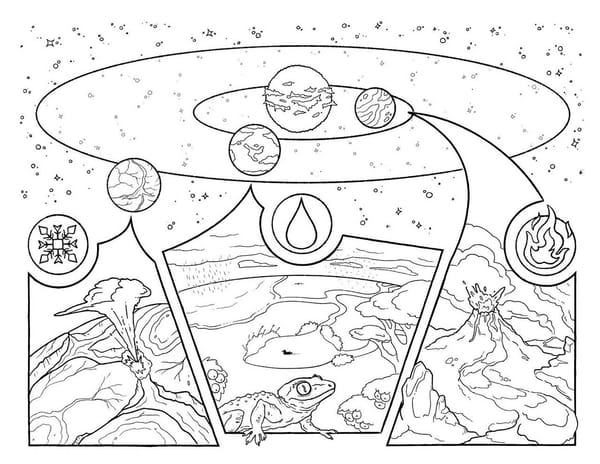
Science Journey Through the Heliosphere: The Habitable Zone Two pages are extracted from the "Journey Through the Heliosphere: The Sun-Earth System in Color" booklet that explore the Habitable Zone and include a note relating the topic to indigenous Alaskan languages. The booklet blends art and science to make complex heliophysics concepts accessible. It covers topics related
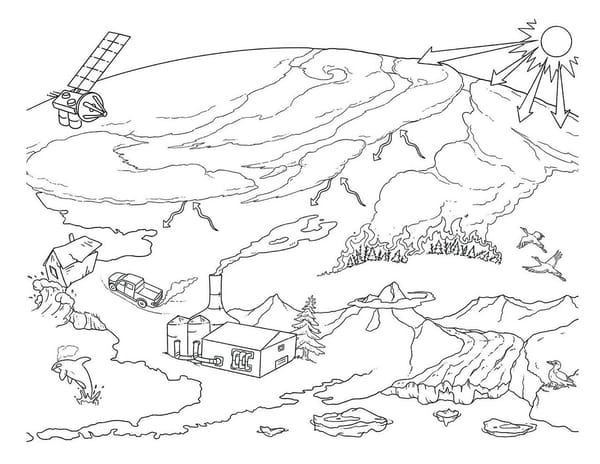
Science Journey Through the Heliosphere: Earth's Climate Two pages extracted from the booklet Journey Through the Heliosphere: The Sun-Earth System in Color describe Earth’s climate in detail and include a note linking the topic to indigenous Alaskan languages. The booklet blends art and science to make heliophysics concepts accessible to a wide audience. Topics span the
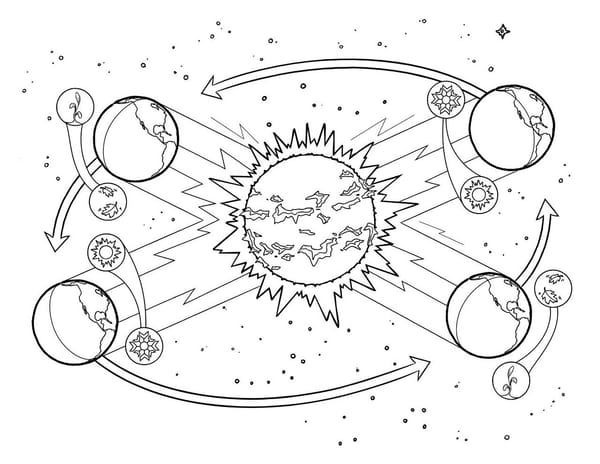
Science Journey Through the Heliosphere: Seasons Two pages from the booklet "Journey Through the Heliosphere: The Sun‑Earth System in Color" explain Earth’s changing seasons and include a note connecting the topic to indigenous Alaskan languages. The booklet blends art and science to make heliophysics concepts accessible and was created to teach about
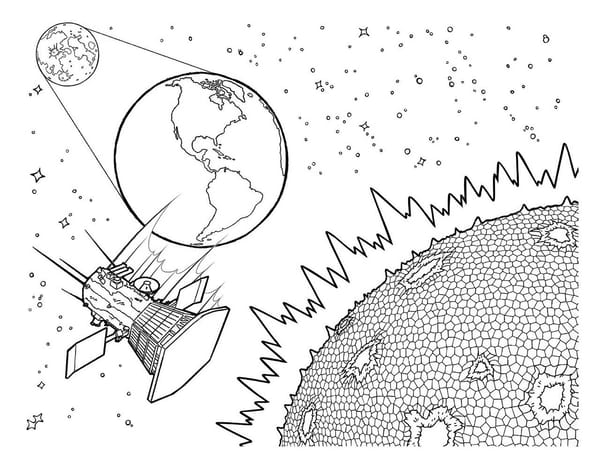
Science Journey Through the Heliosphere: Eclipse Two pages extracted from the booklet Journey Through the Heliosphere: The Sun‑Earth System in Color explain how eclipses happen and connect the topic to indigenous Alaskan languages. The booklet blends art and science to make heliophysics concepts accessible to learners. The coloring book covers the Sun, solar magnetic fields
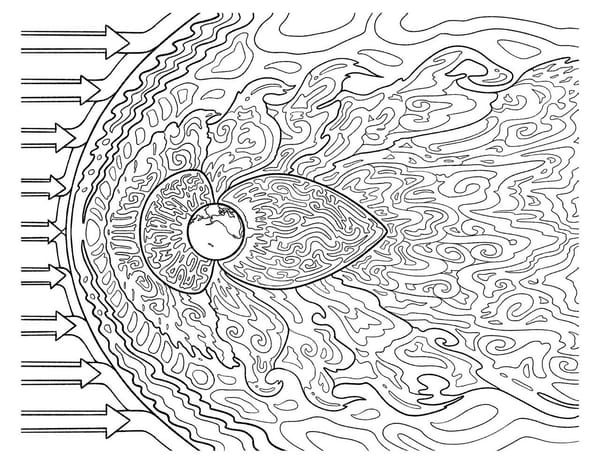
Science Journey Through the Heliosphere: Solar Wind Two pages pulled from the Journey Through the Heliosphere booklet examine the solar wind, using a blend of art and science to make heliophysics concepts accessible. The pages include a note connecting the topic to Indigenous Alaskan languages and cultural perspectives. The booklet explores the Sun, solar magnetic fields, and