Plug-in hybrids get plugged in more than you might think
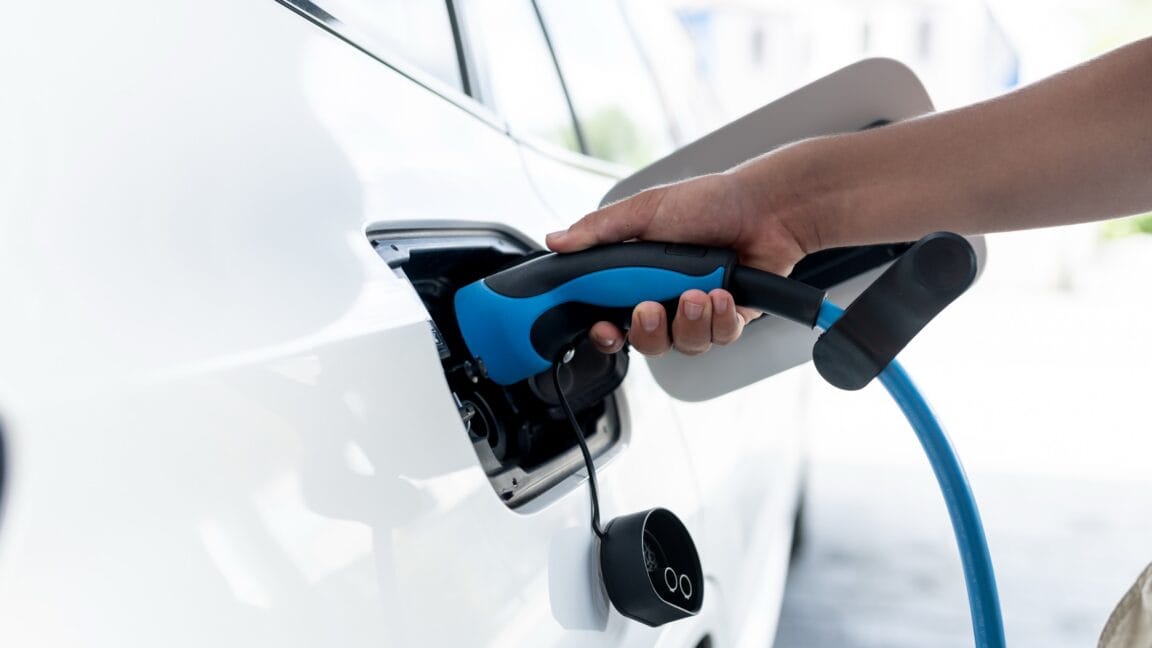
Plug-in hybrids pair a combustion engine and fuel tank for long trips with an electric motor and a battery sized to cover most or all daily driving — but that benefit only exists if owners plug them in.
Many assume they do not. The prevailing argument holds that buyers were drawn to oversized batteries by generous incentives and, if they won’t charge the car, would have been better off with a parallel hybrid that often delivers better efficiency with an empty battery at a lower price.
That take may be misplaced. Toyota, one of the most prolific backers of plug-in hybrids, has previously declined to provide numbers on how often owners plug in, but two researchers at Toyota Research Institute North America have now analyzed relevant data.
They looked at anonymized information from more than 6,000 RAV4 Prime and Lexus NX 450h+ vehicles between model years 2021–2024, and the results are described as encouraging.
plug-in hybrids, plug in, rav4 prime, nx 450h+, toyota research, anonymized data, incentives, combustion engine, electric motor, battery size