NASA attempting to save Swift space telescope before it crashes to Earth
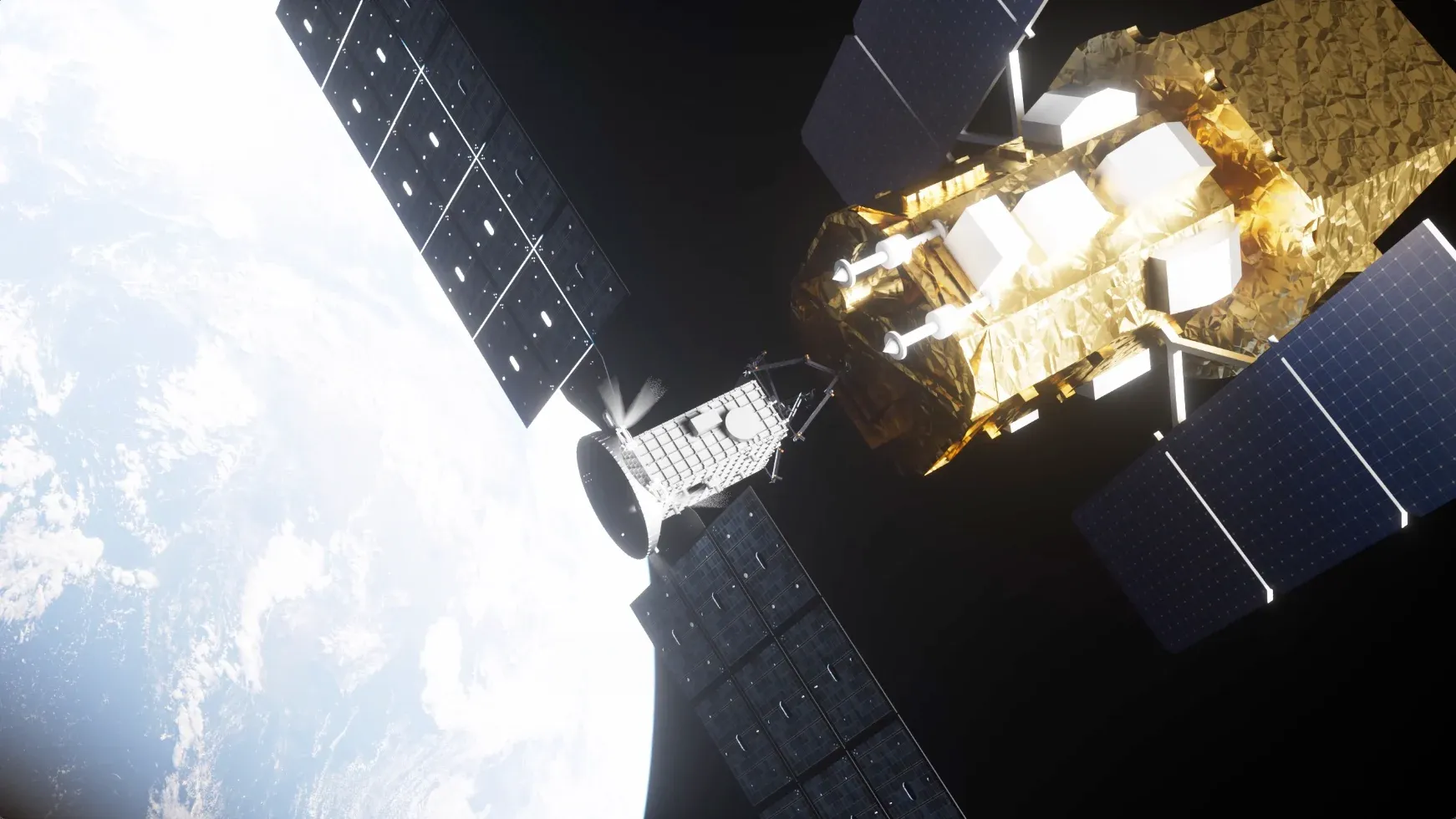
During the fierce solar storms of 2024, Earth’s upper atmosphere heated and bloated, increasing drag on the Neil Gehrels Swift Observatory. Launched in 2004 to hunt gamma‑ray bursts, Swift has lost altitude — from about 370 miles to roughly 230 miles — and now faces reentry later this year unless it is boosted.
About nine months ago NASA contracted Arizona‑based Katalyst Space Technologies to build a robotic rescue spacecraft, LINK, to rendezvous with Swift, clamp on, and tow it roughly 150 miles higher. The plan calls for a Pegasus rocket dropped from a Northrop Grumman aircraft over the South Pacific; if conditions are favorable, launch is slated for June 27.
The mission will be autonomous: LINK will close in over days or weeks, take rapid images, fire small thrusters to fine‑tune its approach, and deploy three metal arms with clamps to capture Swift. Engineers cannot be certain of the telescope’s external condition after two decades in orbit, and the climb to a safer orbit could take from about a month to several months.
nasa, swift telescope, link spacecraft, pegasus rocket, northrop grumman, solar storms, atmospheric drag, orbit raise, reentry, gamma rays