Marjane Satrapi captured profound human emotions and opened paths
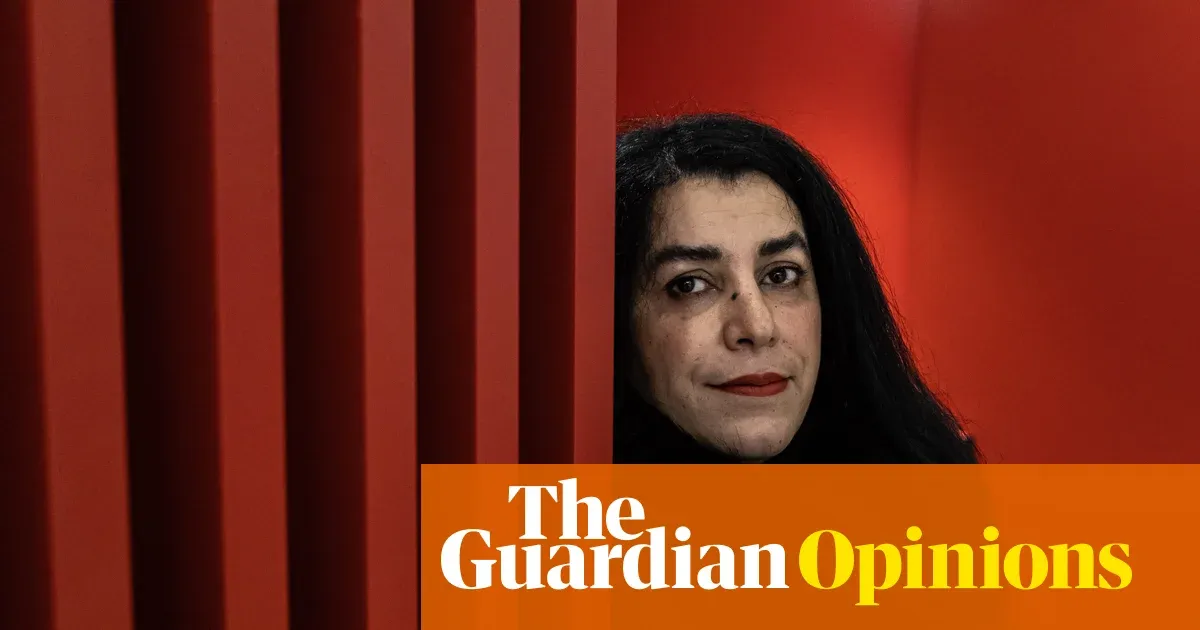
On the morning of 4 June, when I heard the news of Marjane Satrapi’s death, I was stunned. I simply could not believe it. Although I had met her only a handful of times in person — despite having lived in Paris for 16 years and having contributed to her book Woman, Life, Freedom — I felt a deep connection to her work and legacy.
I admired her intelligence, her extraordinary sense of humour and, above all, her remarkable gift for visual storytelling. What she achieved through drawings that appeared simple was, in reality, extraordinarily difficult. The black-and-white spaces of her pages, the economy of her lines, the apparent simplicity of her compositions — it all served to convey profoundly human emotions with a clarity that few artists ever attain.
Marjane opened the door not only for me, but for many Iranian comic book artists, such as Parsua Bashi, Mansoureh Kamari, Majid Bita and Shaghayegh Moazzami. More broadly, she opened a path for artists from smaller and less visible countries across the world of comics.
Iran, Paris
marjane satrapi, graphic novel, comics, visual storytelling, black-and-white, woman life, iranian comic, paris, parsua bashi, mansoureh kamari