Laser Interferometer Lunar Antenna seminar — 29 June 2026
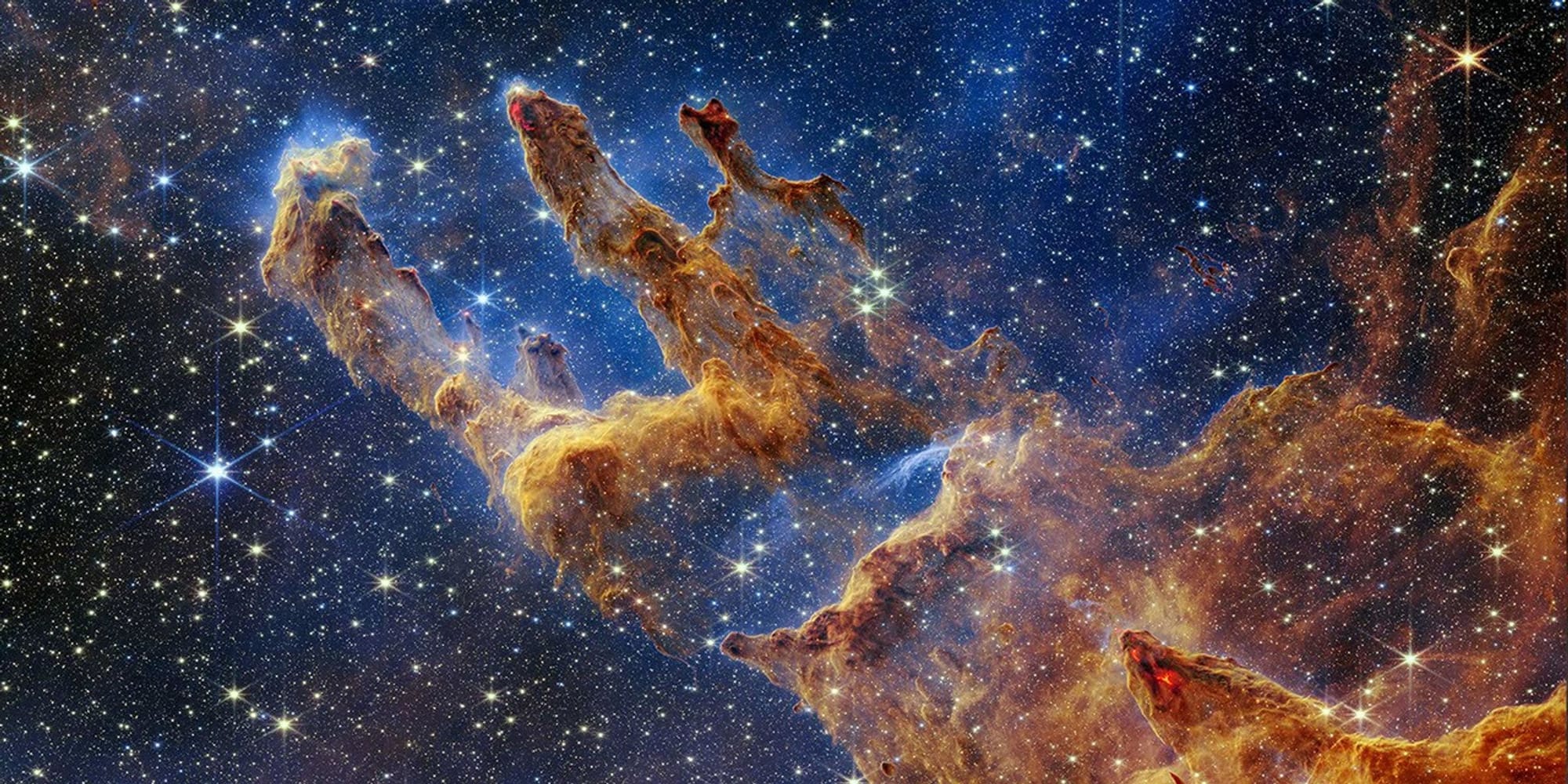
Volker Quetschke of the University of Texas Rio Grande Valley will present an update on the Laser Interferometer Lunar Antenna (LILA) in a virtual GW SIG seminar on 29 June 2026 at 1:00pm ET. The moon offers unique opportunities and challenges to realize interferometric gravitational wave detectors that are sensitive over a range of frequencies that are currently not covered.
Compared with Earth-based detectors, the moon’s reduced gravity and lower seismic activity allow sensitivity to shift to lower frequencies, giving LILA unique access to sub-Hertz gravitational waves. This frequency range cannot be measured by any ongoing or upcoming experiment on the Earth or in space, and LILA would change the landscape of multi-messenger astrophysics.
It would provide early warnings prior to mergers of black holes and neutron stars, and measurements in the deci-Hertz regime can vastly improve determinations of the Hubble constant, the equation of state of neutron stars, and tests of General Relativity.
United States, Rio Grande Valley
lila, laser interferometer, lunar detector, moon, sub-hertz, deci-hertz, gravitational waves, black holes, neutron stars, hubble constant