Inner Solar System Likely Supplied Earth's Nitrogen and Phosphorus
NASA-supported scientists have provided new information about how the early Earth may have acquired some elements necessary for the planet to become habitable. The study, published today in Science Advances, traces that history by examining the ratio of phosphorus to nitrogen in iron meteorites and in younger objects known as chondrites.
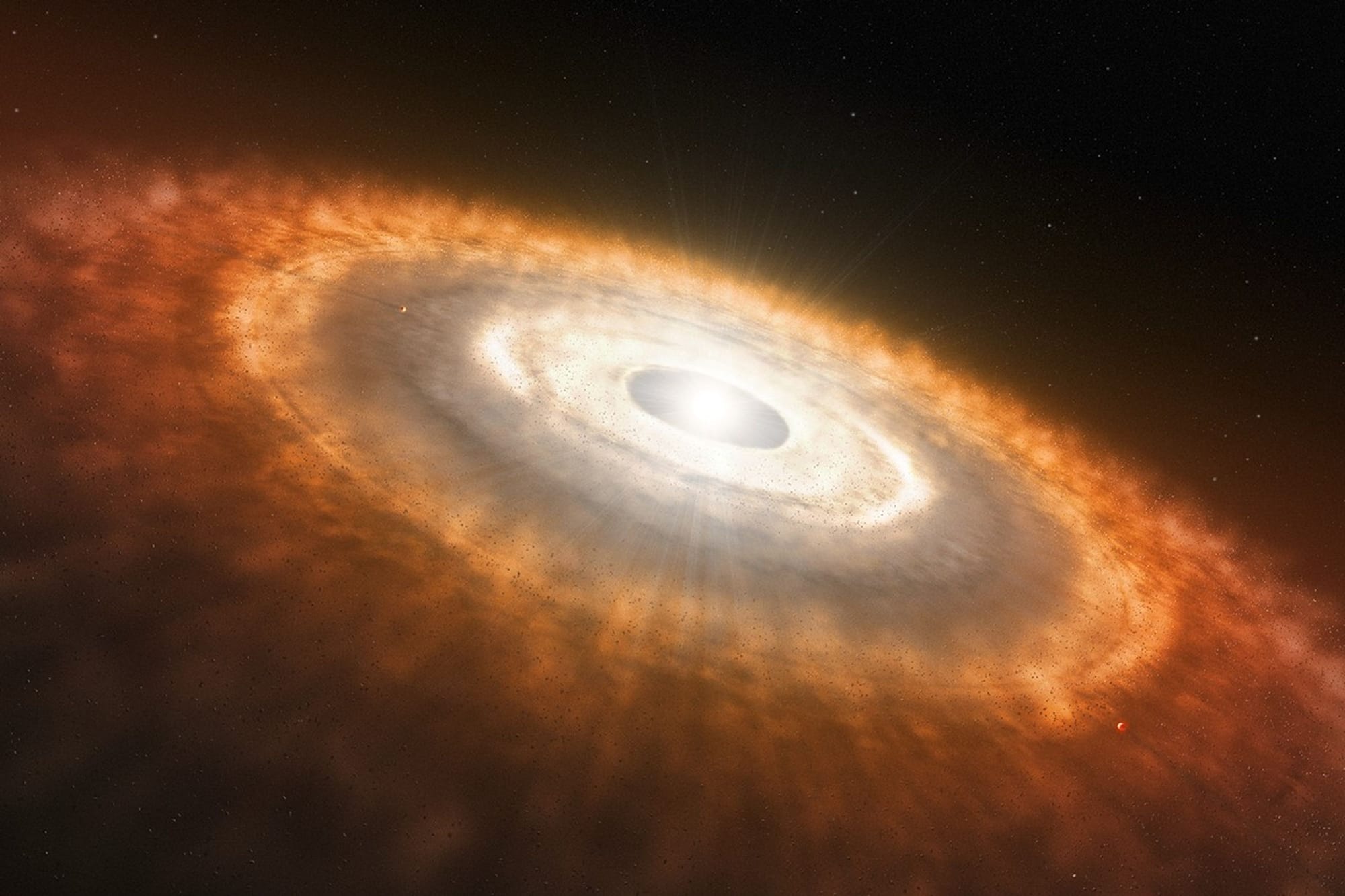
Our solar system formed from gas and dust that swirled around the proto-Sun more than 4.5 billion years ago. In that turbulent early disk, dust and gas coalesced into planetesimals whose collisions left shattered remnants — some of which survive today as asteroids and meteorites.
Iron meteorites come from the oldest generation of planetesimals, while chondrites formed 2–3 million years later; both classes offer a window into conditions before Earth existed. Laboratory experiments and geochemical models reconstructed a map of phosphorus–nitrogen ratios across the young solar system.
United States
phosphorus, nitrogen, iron meteorites, chondrites, early solar, planetesimals, proto-sun, science advances, geochemical models, laboratory experiments