Hacking the atmosphere: Geoengineering gets a reality check
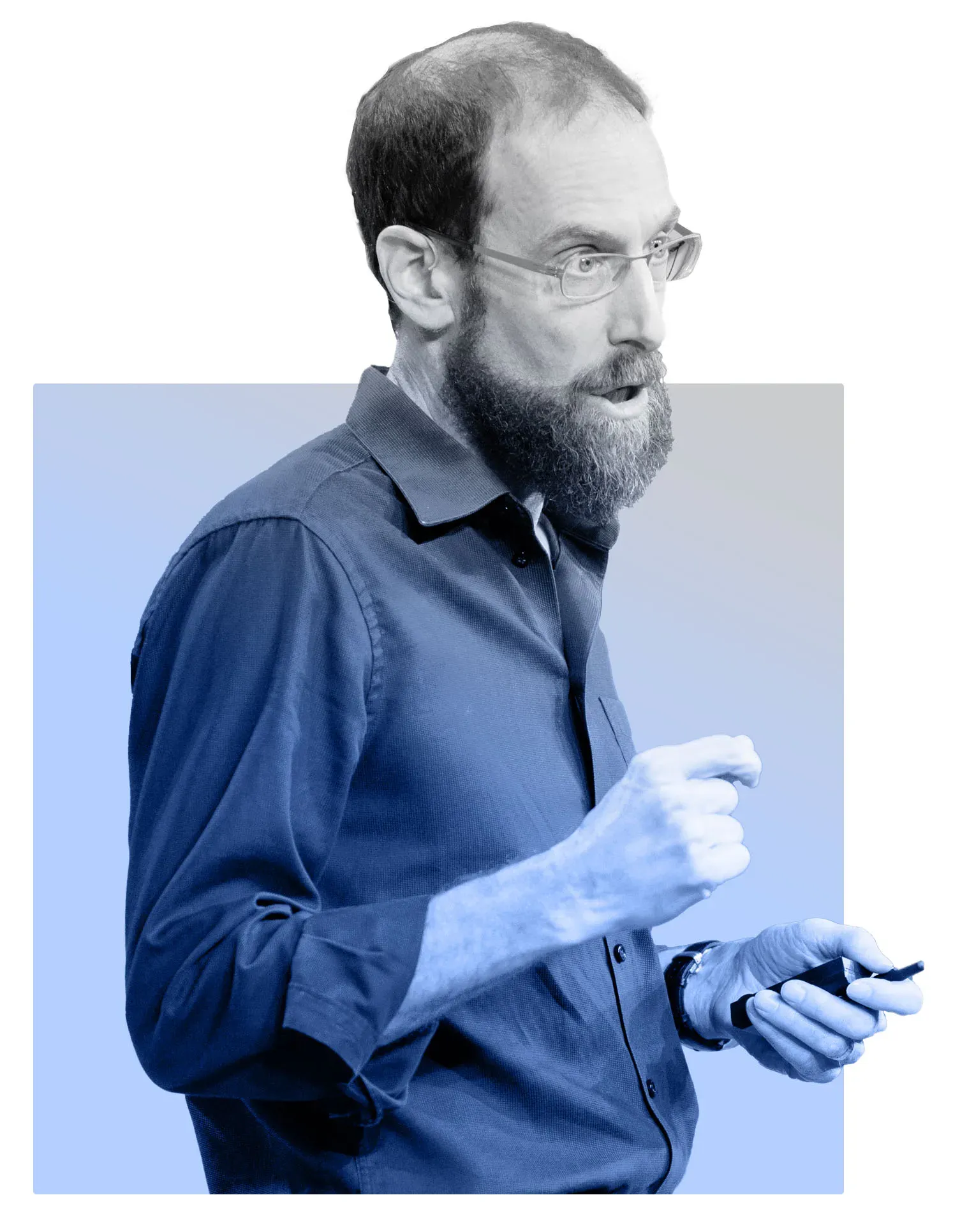
Jim Franke pulls away the cover page of a presentation in his office to reveal an illustration of an odd-looking uncrewed aircraft with massive wings designed to fly about 20 kilometers up, high enough to see the curvature of the Earth. The drawing shows the kind of plane proponents say could loft materials into the stratosphere that, after a few steps of chemistry, would reflect sunlight back into space.
Franke, a research assistant professor at the University of Chicago, is part of a small but growing group focused on the engineering challenges of solar geoengineering, an idea inspired by volcanic eruptions that have cooled the planet by blasting sulfur compounds into the stratosphere.
Climate models suggest the approach would work quickly and efficiently, but those simulations are approximations.
United States, Chicago
solar geoengineering, stratosphere, uncrewed aircraft, sulfur compounds, volcanic eruptions, university of, jim franke, climate models, reflect sunlight, engineering challenges