Gaming hardware prices unlikely to fall until late 2020s, analysts warn
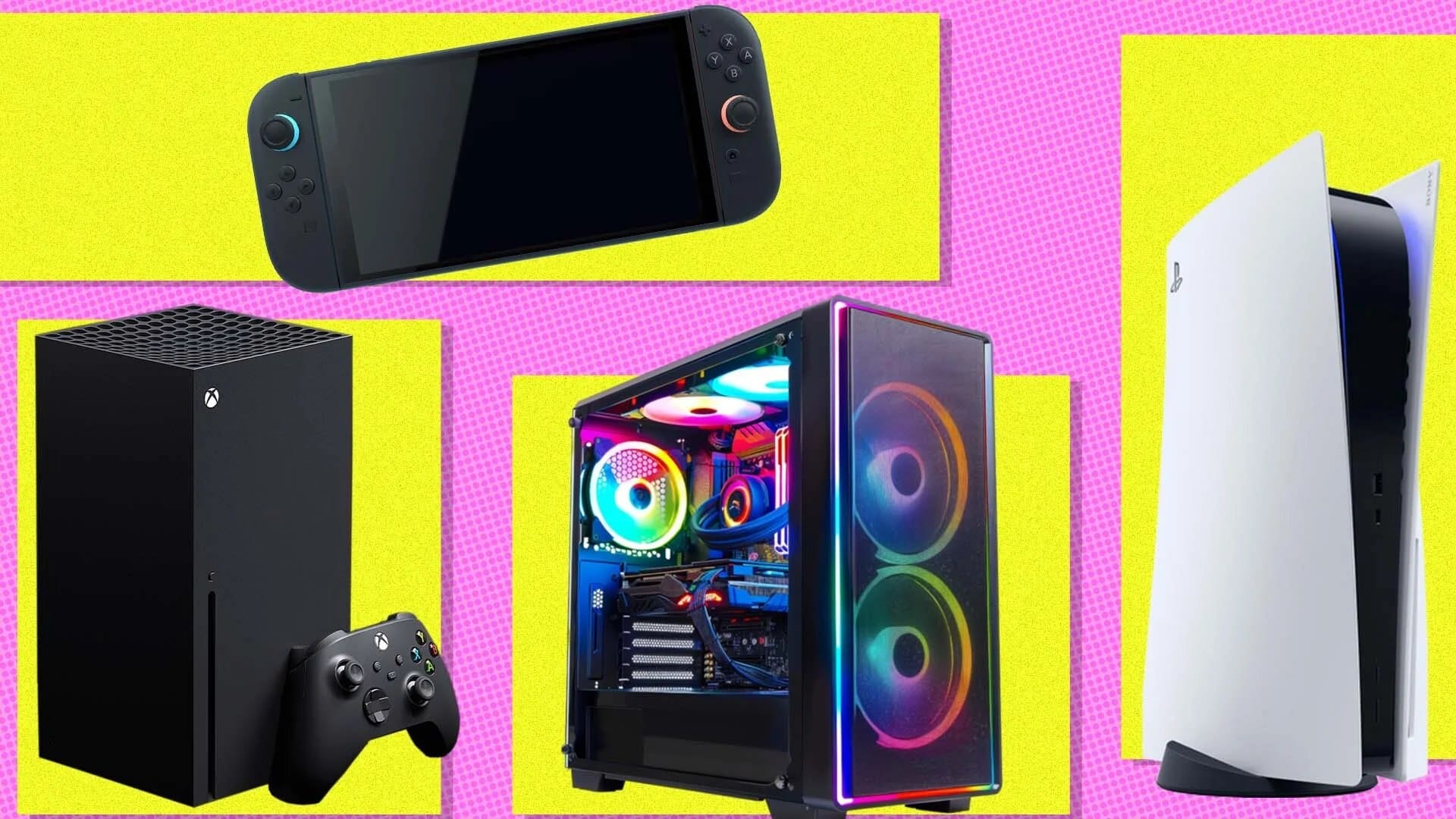
Valve raised the Steam Deck’s price by more than $200 for both models last week, and other platform holders have already lifted costs: the Switch 2 faces a small hike later this year, Xbox prices have risen multiple times in the U.S., and PS5s have climbed globally.
Those hardware moves are happening alongside broader inflation—groceries, gas and housing—all rising while wages lag. Analysts point to a shortage of RAM driven by huge orders from hyperscalers building AI data centers as a central cause, with U.S. tariffs, inventory backlogs, persistent inflation, geopolitical turmoil such as the Iran war, and currency fluctuations making the situation worse.
Manufacturers are renegotiating component contracts at today’s inflated rates, and many suppliers are sitting on inventory they cannot profitably assemble or sell. Most experts expect hardware prices to keep rising, with many forecasting any easing only sometime between 2027 and 2029.
United States
steam deck, switch 2, ps5, xbox, ram shortage, hyperscalers, tariffs, inflation, inventory backlog, hardware prices