First Steps: America’s Grueling Second Spacewalk
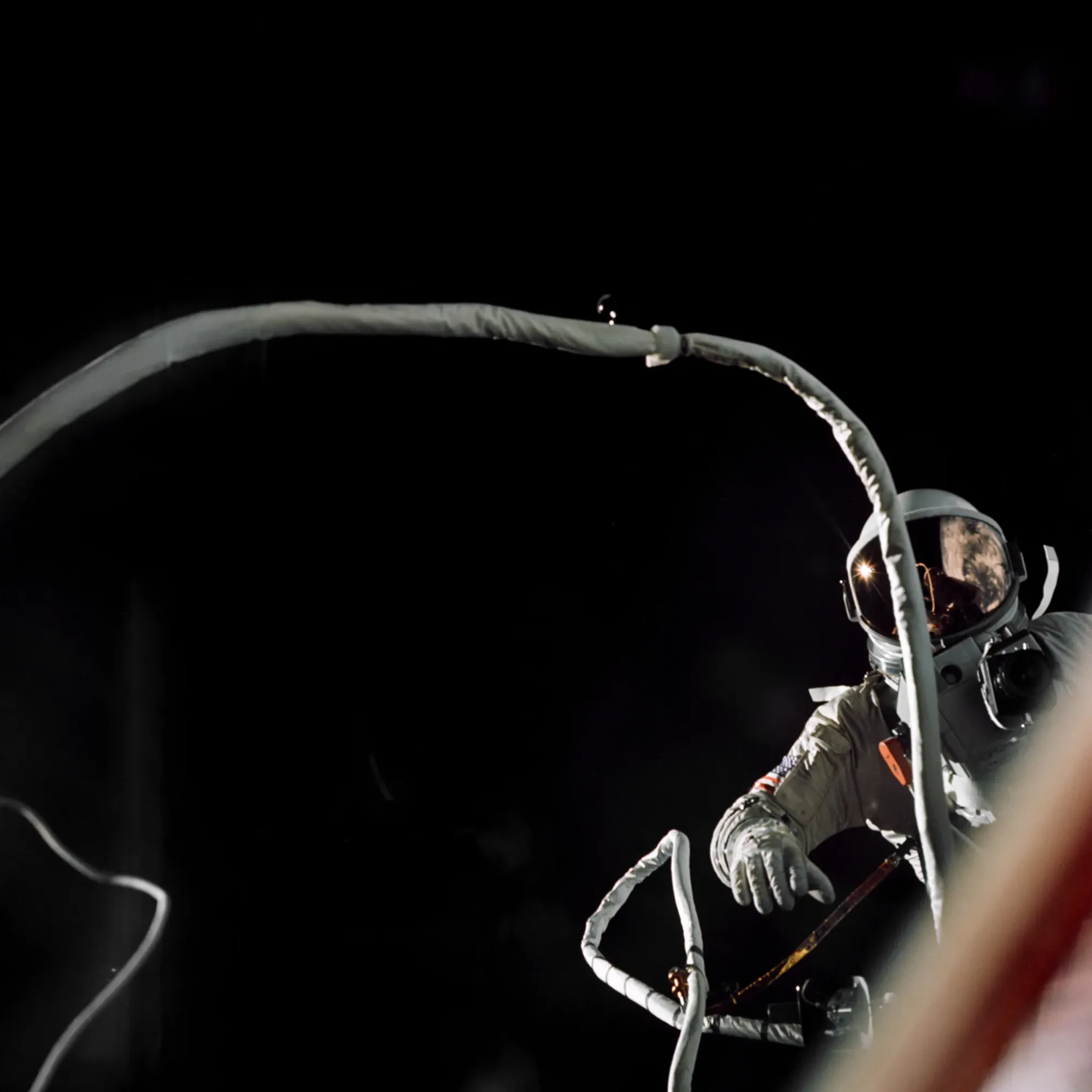
One year after Gemini IV astronaut Edward H. White completed NASA’s first spacewalk, the agency prepared for a demanding second excursion. Originally scheduled for Gemini VIII, the extravehicular activity was reassigned to Gemini IX-A after that mission ended early, with Gene Cernan taking on the task.
On June 5, 1966—the mission’s third day—Cernan exited the spacecraft and quickly found himself fighting his own equipment. His spacesuit was so rigid that even small movements took intense effort. He soon grew exhausted and began sweating profusely; the suit was cooled only through the circulation of oxygen.
As he worked to complete EVA goals, his helmet fogged over completely and his heart rate rose to about 180 beats per minute, and the EVA was called off after two hours and eight minutes amid concerns he might lose consciousness. When Gemini IX-A returned to Earth, doctors found Cernan had lost 13 pounds during the three-day mission, most of it water lost during his EVA.
United States
gemini ix-a, gene cernan, edward white, spacewalk, eva, spacesuit rigidity, helmet fogging, oxygen cooling, heart rate, weight loss