Can Gen Z escape the fear of being ‘cringe’?
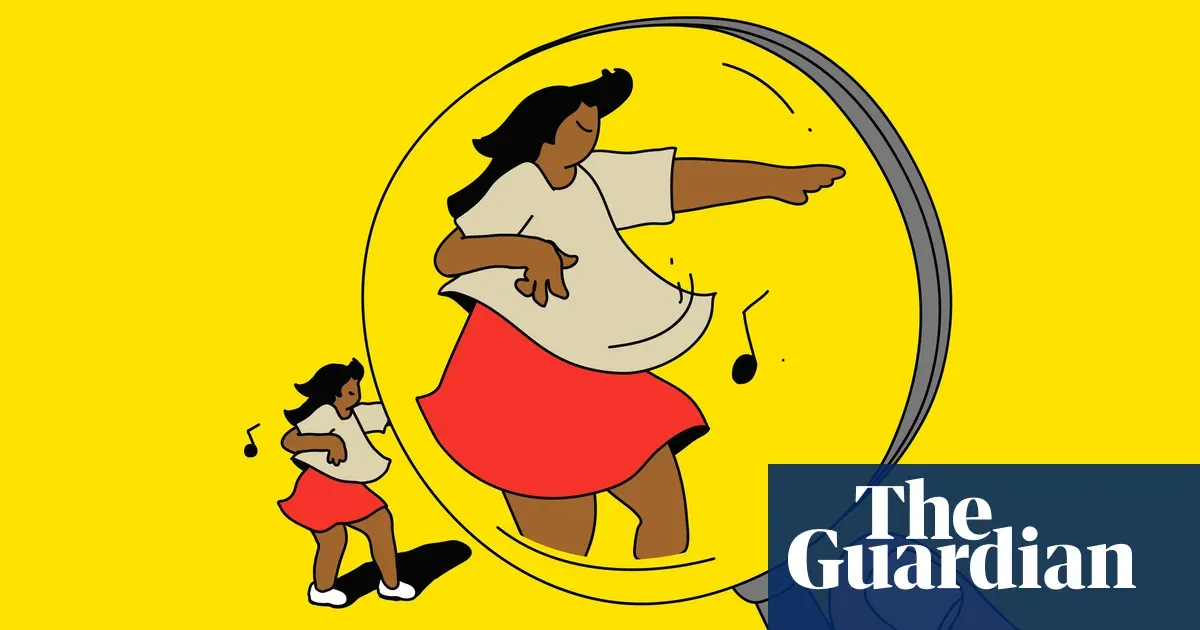
In a TikTok clip that has become typical of CringeTok, Katie Whitney, who has 2.5 million followers, addresses the camera with a line aimed at Cynthia Erivo before shifting into a softer, toe-curling persona. Whitney’s “weird skits” sit within a corner of the internet built around making viewers uncomfortable, and that discomfort has mirrored a wider anxiety: the fear of being seen as cringe is spreading from social media into classrooms, workplaces and everyday life.
Social psychologists describe cringe as a kind of vicarious shame: the sense that someone has fallen short under the “dim regard of other people.” It often hinges on a perceived lack of self-awareness. A Yahoo/YouGov poll this year found that the fear of coming across as cringe has stopped more than half of Gen Z from expressing themselves freely online, and 55% said it had stopped them from opening up emotionally.
New York University’s Ocean Vuong has warned of “a surveillance culture around social media” that makes young people more self-conscious about trying.
United States, New York
gen z, cringe, cringetok, tiktok, katie whitney, cynthia erivo, vicarious shame, self awareness, surveillance culture, ocean vuong