A Holistic Perspective on Florida's Wetland Emissions
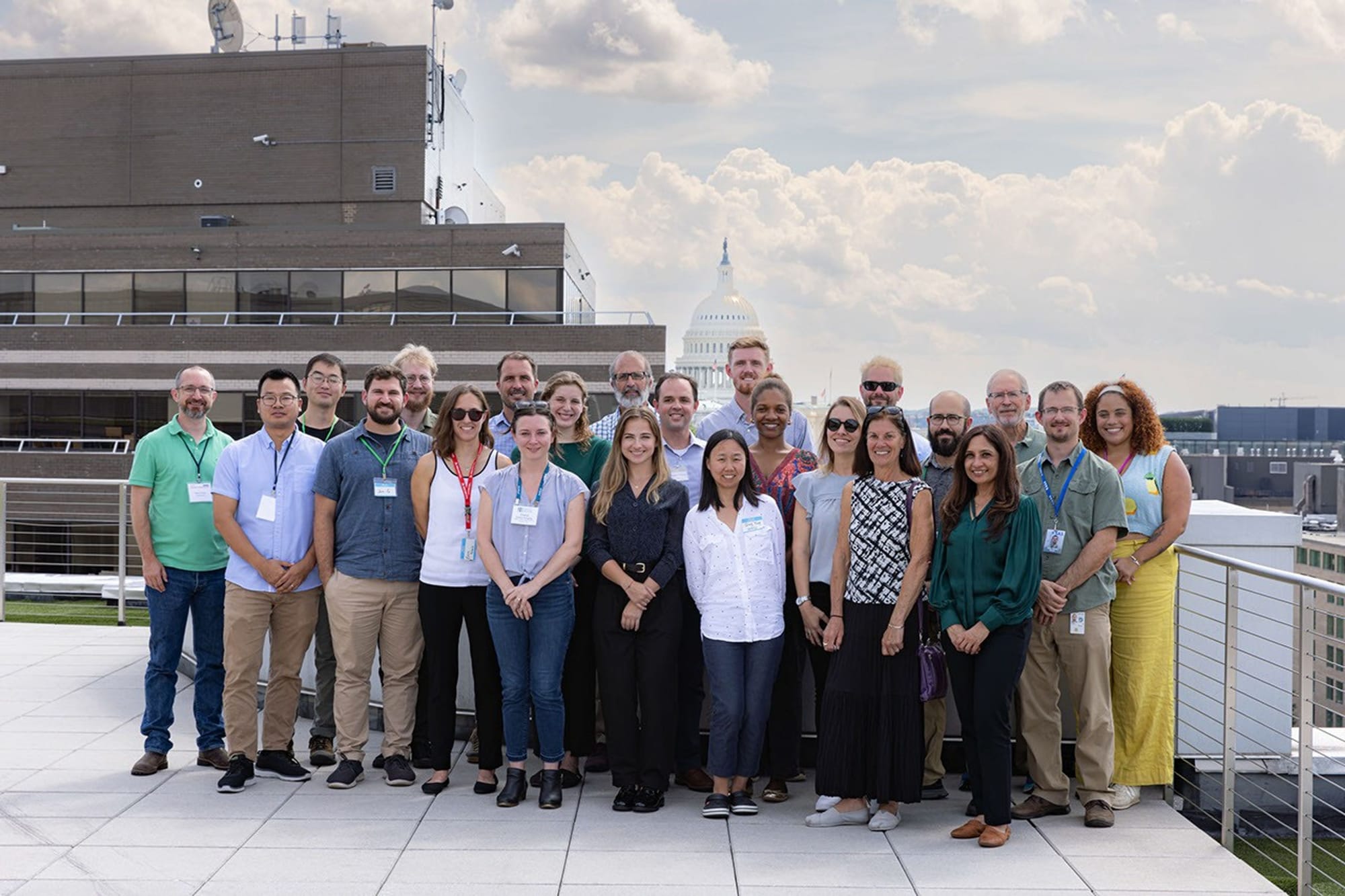
Four early-career researchers collaborating on the BlueFlux project combine field and airborne measurements to track how Everglades wetlands store and release carbon. Driven by the question of whether the benefits we get from wetlands will be lost under growing human pressures and climate change, their work ranges from mangrove and freshwater field surveys to airborne campaigns and engagement with local communities.
Field teams began in the Ten Thousand Islands and moved through the Everglades National Park, sampling a range of mangrove conditions from healthy, regenerating stands to hurricane-damaged “ghost forests.” Aboveground carbon was estimated from measurements of tree height and diameter using allometric equations, while a peat auger extracted soil cores to reveal belowground carbon.
A spectrometer captured plant and soil reflectance to link ground observations with satellite data.
United States, Florida
blueflux, everglades, mangroves, ghost forests, carbon storage, carbon emissions, allometric equations, peat cores, spectrometer, airborne measurements