12 home solar power myths you shouldn't fall for in 2026
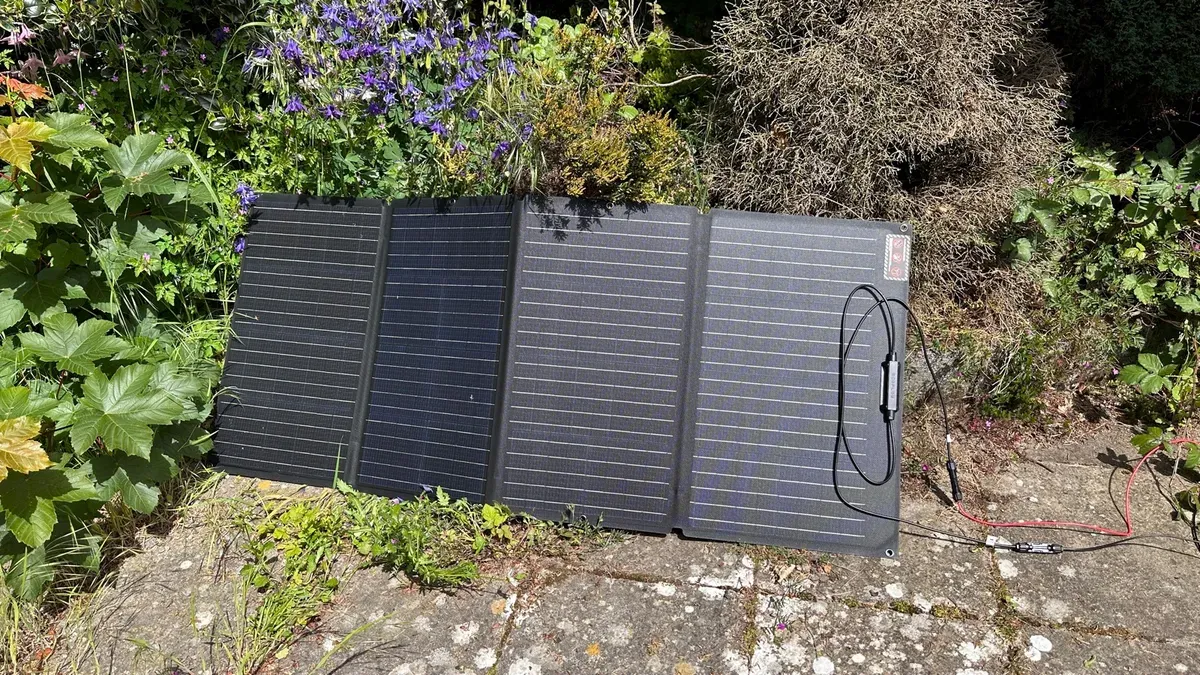
Renewable energy is surrounded by misconceptions that make it harder to decide whether solar is right for your home. How much you save depends on three things: the size of your array, the peak sunlight hours where you live, and the local price of electricity. For example, in Utah a legal 1,200 W plug‑in system with about six peak sunlight hours and typical losses produces roughly 5.5 kWh a day, worth about $0.77 daily or $281 a year; by contrast, California’s higher sunlight and prices can yield around $910 a year, while low‑sun areas such as parts of Alaska produce far less.
Take safety seriously. Solar panels and wiring can produce hazardous voltages and deliver shocks or burns; the widely recognized OSHA threshold is 50 volts and daisy‑chaining panels can push portable setups above that. Damaged connectors or wiring are the biggest risks, so cover panels or leave work to low‑light hours if you’re unsure.
At the same time, panels are not short‑lived: many come with decade‑long warranties and can serve 20–25 years with care.
United States, Utah, California, Alaska
solar power, solar panels, home solar, peak sunlight, electricity price, plug-in system, utah, california, alaska, warranties